Robot vacuums have become a beloved member of the modern household, silently gliding across floors and freeing us from manual cleaning. But with their growing list of features, a question arises. How much energy do these little cleaning machines use? Buckle up because we’re taking a deep dive into the world of robot vacuum power consumption!
What is a Robot Vacuum Cleaner?
Before we delve into the world of robot vacuum energy consumption, let’s take a quick step back and answer a fundamental question: what exactly is a robot vacuum cleaner?
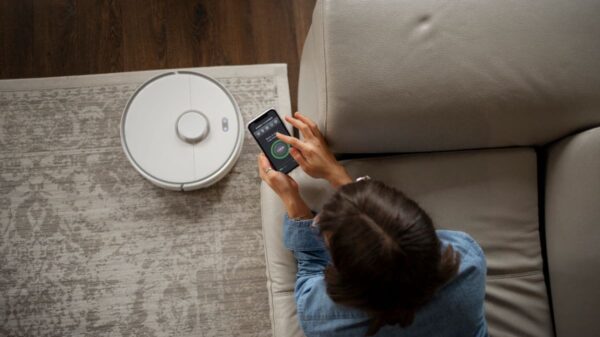
A robot vacuum cleaner, sometimes called a Robovac or Roomba (a popular brand name), is a self-directed cleaning device that utilizes sensors, motors, and programmable controllers to navigate your floors and remove dirt and debris. These autonomous machines offer a convenient and automated way to keep your floors clean, freeing you from the hassle of manual vacuuming.
Now that we’re on the same page, let’s continue exploring how these little cleaning companions power their way to sparkling floors!
How Much Power Does a Robot Vacuum Use?
Energy Efficiency Champion
Compared to their traditional upright counterparts, robot vacuums are the clear winner in the energy efficiency battle. Here’s why:
- Lower Wattage: Robot vacuums typically operate around 60-90 watts while charging, and their cleaning cycles use similar power levels [1]. It is a far cry from the 500 to 3,000 watts an upright vacuum cleaner can guzzle, with an average landing around a hefty 1,400 watts per hour.
Understanding Watts
Let’s translate these watts into real-world examples. Imagine running your robot vacuum for an hour while it charges for 3 hours at 90 watts. The total energy used is equivalent to running a single lightbulb simultaneously. On the other hand, an hour of using a traditional vacuum cleaner is like running a hairdryer for the same duration – a significant energy difference!
The Power Players
While robot vacuums are generally energy-sipping machines, a few factors can influence their power consumption:
- Suction Power: Models with high suction for tackling pet hair or deep-pile carpets will naturally use more energy. There’s a trade-off between cleaning power and efficiency.
- Cleaning Time: The longer your robot roams, the more energy it expends. Scheduling regular, shorter cleaning sessions is a great way to optimize efficiency.
- Floor Type: Maneuvering over plush carpets requires more power than navigating hard floors. Robot vacuums with adjustable suction modes can be helpful here.
- Features: Fancy extras like self-emptying bases or high-powered mopping functions add to the energy draw. Consider if these features are essential for your needs.
Tips for Maximizing Robot Vacuum Efficiency
Getting the most out of a robot vacuum’s energy-saving potential is not just good for your wallet; it’s good for the environment! Here are some pro tips to keep your little cleaning companion running efficiently:
- Schedule Regular Cleanings: Frequent, shorter cleaning sessions are more efficient than one long, power-hungry run. Dirt build-up requires more effort from the robot, so staying ahead of the mess is key.
- Declutter Your Floors: The less your robot has to dodge obstacles and furniture, the less energy it wastes navigating. A clear path equals a more efficient clean.
- Clean Filters Regularly: Clogged filters force the machine to work harder, consuming more power. Make filter cleaning a part of your robot vacuum maintenance routine.
- Choose the Right Mode: Most robot vacuums offer different suction power modes. Select a mode that suits the cleaning task. Eco modes are great for everyday maintenance, while higher power modes can be reserved for deep cleaning carpets.
Beyond the Watts: A Sustainable Choice
By using a robot vacuum, you’re not just saving yourself time and effort. You’re also making a small but positive contribution to the environment. Lowering energy consumption reduces carbon emissions, making robot vacuums a more sustainable cleaning choice.
Conclusion
As robot vacuum technology evolves, we can expect even greater efficiency. Imagine a future where these tireless cleaning companions boast extended battery life, navigate with laser precision, and clean with minimal energy consumption. Robot vacuums offer a convenient, time-saving, and environmentally friendly cleaning solution. So, the next time you hear your robot diligently cleaning, take a moment to appreciate its efficient hum – it’s a symphony of clean floors and a sustainable future.