Artificial intelligence has changed the way people communicate, learn, create content, and explore ideas. While many AI systems are designed with strict limitations, a growing number of users are seeking more open, conversational experiences. This increasing demand has led to the rise of unfiltered AI platforms that focus on fewer restrictions, greater creativity, and more flexible interactions. Many users want AI systems that can engage in extended storytelling, roleplay, brainstorming, fictional world-building, and unrestricted discussions without constantly interrupting the flow of conversation. As a result, interest in tools such as unfiltered AI chat, free unfiltered AI chat, and advanced conversational models has expanded rapidly over the last few years.
However, understanding how these systems work is important before choosing a platform. Open conversational AI offers exciting possibilities, but it also introduces challenges related to accuracy, safety, privacy, and content quality. This guide explores everything you need to know, including how these platforms work, their benefits and potential risks, practical applications, future trends, and best practices for responsible use. Whether you are a beginner exploring AI conversations or an advanced user seeking greater creative freedom, this comprehensive guide will help you navigate the evolving world of unrestricted AI interactions.
What Is Unfiltered AI
The term “unfiltered AI” generally refers to artificial intelligence systems that impose fewer conversational restrictions than traditional AI assistants. These platforms are designed to provide more flexible responses while allowing users to explore a wider range of topics and creative scenarios. Unlike heavily moderated systems, these models often permit deeper fictional storytelling, extended character interactions, experimental writing exercises, and creative brainstorming sessions. Many users seek these platforms for conversations that feel less constrained and more natural.
It is important to understand that unfiltered does not always mean completely unrestricted. Most reputable developers still implement safeguards against harmful activities, illegal content, and serious misuse. The difference is that these systems often provide broader conversational freedom while maintaining basic ethical boundaries. As AI technology evolves, the distinction between traditional AI assistants and more open conversational models is becoming increasingly nuanced.
Why Users Are Interested in Open AI Conversations
Greater Creative Freedom
One of the primary reasons users explore AI chatbot unfiltered platforms is creative expression. Writers, game developers, storytellers, and hobbyists frequently use AI to generate ideas, develop characters, and build fictional worlds. Open conversational models can maintain immersive discussions for longer periods without constantly redirecting or limiting imaginative scenarios. This allows creators to experiment more freely with their projects. Additionally, many users enjoy engaging with AI personalities that feel dynamic and responsive rather than highly constrained.
Enhanced Roleplay Experiences
Interest in unfiltered AI roleplay has increased significantly because roleplay benefits from conversational flexibility. Users often create fictional characters, fantasy settings, historical scenarios, or science-fiction adventures. In these environments, the AI can help sustain complex narratives, respond to character actions, and generate creative plot developments. This capability makes roleplay one of the most popular use cases for open conversational systems. Long-form interactions also encourage deeper immersion and stronger storytelling experiences.
How Unfiltered AI Models Work
Modern conversational AI relies on large language models trained using extensive datasets. These models learn language patterns, context, reasoning structures, and conversational behavior from massive amounts of text.
Training and Fine-Tuning
The foundations of most unfiltered AI models remain similar to those of traditional AI systems. They are trained using large-scale machine learning techniques that help them predict and generate human-like responses. The major difference often appears during fine-tuning and moderation stages. Developers may choose lighter content restrictions or more flexible response policies depending on the intended audience and platform goals. As a result, users often experience conversations that feel more natural and less interrupted.
Response Generation
When a user enters a prompt, the AI analyzes context, previous messages, and language patterns before generating a response. Advanced systems can maintain conversational memory within a session and adapt their tone accordingly. This process enables many AI chats and unfiltered experiences to feel engaging, responsive, and personalized. However, users should remember that AI generates predictions rather than genuine understanding. Responses may occasionally contain inaccuracies or fabricated information.
Popular Types of Unfiltered AI Applications
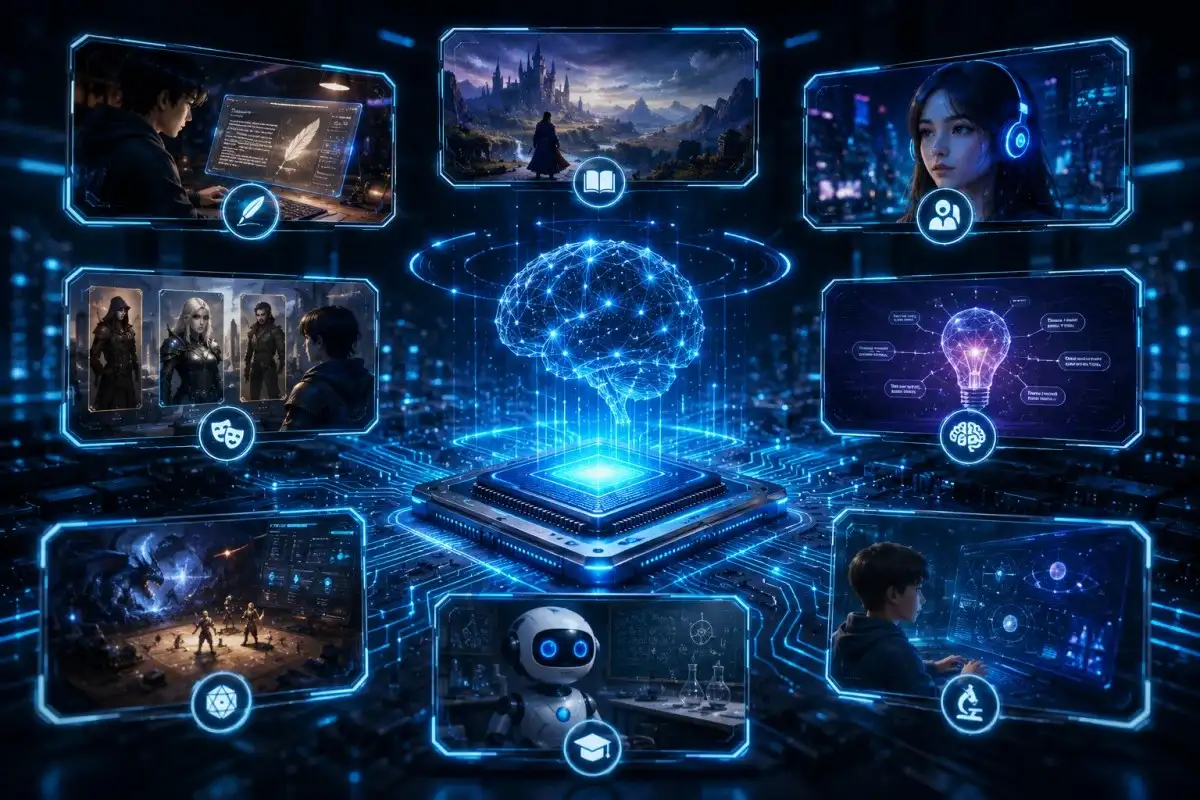
The ecosystem surrounding unfiltered AI apps continues to grow. Different platforms target different audiences and use cases. Common categories include:
- Creative writing assistants
- Interactive storytelling platforms
- Virtual companions
- Character roleplay systems
- Brainstorming tools
- Game master AI experiences
- Educational experimentation platforms
Each category serves a unique purpose, and users should evaluate platforms based on their specific goals rather than assuming all systems offer the same experience. The growing diversity of applications demonstrates how flexible conversational AI has become.
Benefits of Using Unfiltered AI
Improved Creativity
Many creators report that open conversational systems help overcome writer’s block and stimulate new ideas. Because conversations can develop organically, users often discover unexpected perspectives and creative solutions. Writers may generate story outlines, dialogue examples, world-building concepts, and character arcs more efficiently than through traditional brainstorming methods. This makes creative professionals one of the largest user groups interested in unrestricted conversational AI.
More Natural Conversations
Many users feel that chat AI unfiltered platforms provide smoother interactions. Instead of encountering frequent conversational barriers, users can explore topics in greater depth. This flexibility often creates a more immersive experience, particularly during storytelling or roleplay sessions. As a result, user engagement tends to increase significantly on platforms that balance freedom with responsible safeguards.
Personalized Experiences
Advanced systems can adapt to user preferences, conversational style, and ongoing narratives. This personalization helps create interactions that feel more meaningful and engaging. Many users searching for the most unfiltered AI solutions prioritize this conversational adaptability above all else.
Challenges and Risks to Consider
While open AI systems offer numerous advantages, users should also understand their limitations.
Accuracy Concerns
AI models occasionally generate incorrect information. Less restrictive systems may be more willing to answer questions even when confidence is low. Therefore, users should verify important information independently, especially when dealing with topics involving health, finance, law, or safety. Critical decisions should never rely solely on AI-generated responses.
Privacy Considerations
Before using any platform, review its privacy policy and data handling practices. Conversations may be stored, analyzed, or used to improve the model, depending on the provider. Protecting personal information remains essential regardless of the platform’s level of openness. Users should avoid sharing sensitive details in any AI conversation.
Content Quality Variability
Because open systems allow greater flexibility, response quality can vary significantly. Some interactions may be insightful and creative, while others may produce irrelevant or inconsistent outputs. Understanding these limitations helps users maintain realistic expectations.
Choosing the Right Unfiltered AI Chat Platform
Selecting a platform requires careful evaluation of features, reliability, and intended use. Consider the following factors:
- Conversation quality
- Model intelligence
- Privacy policies
- Memory capabilities
- Roleplay support
- Storytelling features
- User interface design
- Community reputation
A platform that excels in one area may perform poorly in another. For example, a system optimized for storytelling may not be ideal for factual research. Evaluating your priorities beforehand helps narrow the available options. Many users searching for an unfiltered AI chat app focus heavily on roleplay features, while business users may prioritize productivity and brainstorming capabilities.

The Rise of AI Chatbots Unfiltered
The popularity of AI chatbots unfiltered reflects a broader trend toward personalization and user control. Modern internet users increasingly prefer customizable experiences over one-size-fits-all solutions. Developers are responding by creating systems that allow users to adjust conversation styles, character behaviors, response creativity, and interaction boundaries.
This flexibility represents a significant evolution in human-AI interaction. As competition grows, providers continue experimenting with different moderation approaches, memory systems, and conversational architectures to meet user demand. The result is a rapidly expanding marketplace of AI solutions designed for diverse audiences.
Best Practices for Responsible Use
Using open AI systems responsibly helps maximize benefits while minimizing risks.
Verify Important Information
Always fact-check critical information obtained from AI conversations. AI should supplement, not replace, human judgment. This is especially important for technical, medical, legal, and financial topics. Reliable external sources remain essential for verification.
Set Clear Expectations
Understanding AI limitations improves the user experience. These systems generate text based on patterns rather than genuine comprehension. Treat responses as useful suggestions, creative inspiration, or conversational assistance rather than absolute truth. Maintaining realistic expectations prevents misunderstandings and frustration.
Use AI as a Collaborative Tool
The most successful users treat AI as a creative partner. Whether brainstorming ideas, developing stories, or exploring concepts, collaboration often produces better results than passive reliance. This mindset encourages productive and rewarding interactions.
Future Trends in Unfiltered AI
The future of unfiltered AI chatbot technology appears highly promising. Advances in language modeling, contextual memory, personalization, and multimodal capabilities will likely create even more sophisticated conversational experiences. Future systems may remember long-term preferences, maintain richer character consistency, and support seamless integration with voice, video, and virtual environments. We may also see stronger user controls that let individuals customize moderation settings to their needs and comfort levels.
At the same time, developers will continue balancing freedom, safety, accuracy, and ethical responsibility. This balance will play a critical role in determining the long-term success of open conversational AI platforms. As technology advances, users can expect more intelligent, adaptive, and engaging AI experiences than ever before.
Frequently Asked Questions
What is unfiltered AI?
It generally refers to conversational AI systems that provide fewer restrictions than traditional AI assistants while still maintaining some level of safety and moderation.
Is free unfiltered AI chat available?
Yes. Several platforms offer free access, though premium plans often offer better performance, larger memory, and additional features.
Are unfiltered AI bots safe to use?
Safety depends on the platform. Users should review privacy policies, avoid sharing sensitive information, and verify important facts independently.
What makes an unfiltered AI chatbot different from standard AI?
Open conversational systems typically allow broader discussions, greater creative freedom, and longer storytelling experiences than heavily moderated assistants.
Can I use unfiltered AI roleplay for storytelling?
Yes. Many writers and hobbyists use roleplay-focused platforms to create characters, develop plots, and explore fictional scenarios.
What are unfiltered AI apps commonly used for?
They are often used for creative writing, brainstorming, roleplay, virtual companionship, educational experimentation, and conversational entertainment.
Is unfiltered AI chat suitable for professional work?
It can assist with brainstorming and content creation, but important business decisions should always involve human review and verification.
How do unfiltered AI models continue improving?
Developers improve them through larger datasets, better training methods, enhanced memory systems, and ongoing user feedback.
Conclusion
The growing popularity of unfiltered AI reflects a broader desire for more natural, creative, and personalized digital interactions. From immersive storytelling and roleplay experiences to brainstorming and creative collaboration, open conversational systems offer capabilities that many users find engaging and valuable. At the same time, responsible use remains essential. Users should understand the limitations of AI-generated content, verify important information, and choose platforms that prioritize privacy and reliability.
As technology continues advancing, conversational AI will likely become even more adaptive, intelligent, and customizable. Whether you are exploring unfiltered AI chat, experimenting with creative writing, or seeking advanced conversational experiences, understanding both the opportunities and the challenges will help you make informed decisions. The future of open AI interaction is evolving rapidly, and users who approach these tools thoughtfully can benefit from some of the most innovative developments in modern artificial intelligence.