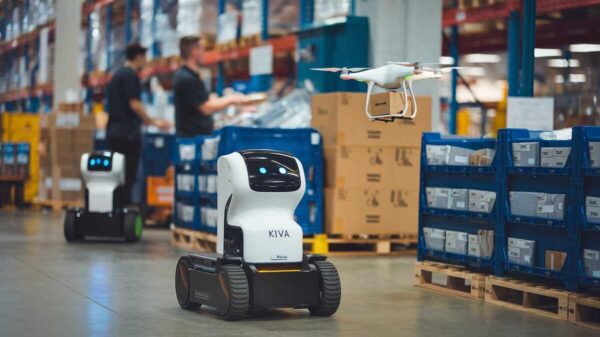
Automation continues to evolve, shaping industries and transforming the global economy. 2025 marks pivotal moment in this journey, with innovation, sustainability, and adaptability at the forefront. This article explores the top Future Automation trends revolutionizing businesses’ operations, focusing on efficiency and sustainability.
Artificial Intelligence in Automation
Artificial Intelligence (AI) is backbone of modern Future Automation trends. AI-powered systems have become essential across industries, enabling machines to learn and make decisions.
 Applications of AI in Automation:
 Applications of AI in Automation:
- Predictive maintenance in manufacturing to minimize downtime.
- Personalized customer experiences in e-commerce.
- Real-time data analysis for better decision-making.
AI ensures businesses stay ahead by optimizing processes and reducing costs. It is a driving force behind the future of manufacturing and Future Automation trends across sectors.
Sustainable Automation
As industries strive for sustainability, automation is crucial in reducing environmental impact. Companies are adopting automated systems for:
- Energy-efficient manufacturing processes.
- Waste reduction through optimized resource management.
- Integration of renewable energy systems.
Sustainable Future Automation boosts profitability while promoting environmental responsibility by aligning with global carbon reduction goals.
Cloud-Based Automation Solutions
Cloud computing makes Future Automation more accessible and scalable, especially for small and medium-sized enterprises (SMEs).
 Advantages of Cloud-Based Automation:
 Advantages of Cloud-Based Automation:
- Quick deployment without significant infrastructure investments.
- Seamless integration with other digital systems.
- Enhanced data security and compliance.
Cloud-based solutions empower SMEs to embrace automation cost-effectively, supporting the SME automation benefits narrative.
Collaborative Robots (Cobots)
Collaborative robots (cobots) transform the workplace by working safely alongside humans. Cobots are designed to enhance human efforts, not replace them.
Key Benefits of Cobots:
- Perform repetitive tasks, permitting humans to focus on complex activities.
- Enhance workplace safety with advanced sensors.
- Reduce costs for SMEs by integrating them into existing workflows.
Industries such as manufacturing & logistics are leveraging cobots to improve productivity and workplace safety.
Edge Computing in Automation
Edge computing revolutionizes automation by enabling faster data processing and decision-making at the source.
 Benefits of Edge Computing:
 Benefits of Edge Computing:
- Enhanced robotics in manufacturing.
- Faster responses in autonomous vehicles.
- Optimized energy consumption through real-time monitoring.
Edge computing in automation unlocks new possibilities for industrial efficiency by reducing latency and dependence on centralized systems.
Workforce Transformation
Automation is not just about replacing jobs—it’s about transforming the workforce. As repetitive tasks are automated, new opportunities emerge in:
- Designing and maintaining automated systems.
- Data analysis and artificial intelligence training.
- Strategic development for automation integration.
Reskilling and upskilling initiatives are crucial to helping workers adapt to this evolving landscape and ensure their thriving in an automated economy.
Conclusion
The future of automation in 2025 is defined by innovation, sustainability, and adaptability. From AI-powered systems to sustainable automation practices, businesses can leverage these trends to drive growth, reduce costs, and deliver enhanced customer value. Automation is not just about machines taking over tasks—it’s about unlocking human potential and creating more innovative industries.
By embracing these advancements, organizations can stay ahead of the curve and shape a more efficient, sustainable future for all.