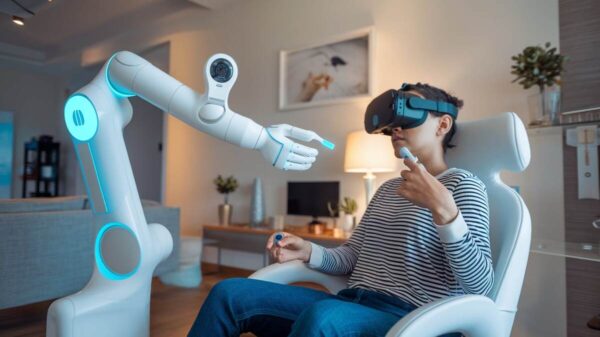
Not long ago, the idea of blending digital objects with the physical world was the stuff of sci-fi movies. Today, Augmented Reality (AR) makes that vision a daily reality. Whether it’s using Snapchat filters, trying out virtual furniture in your living room, or surgeons performing complex operations with real-time AR assistance, this technology has quietly woven itself into our lives.
Unlike Virtual Reality (VR), which removes you from your environment and places you in a fully simulated world, AR enriches what’s already around you. It adds layers of context, interaction, and engagement to your real surroundings. This subtle but powerful difference is why AR is becoming a driving force in industries like retail, education, healthcare, and entertainment.
This article dives deep into how augmented reality works, why it matters, its real-world applications, its benefits, and its future impact. We’ll also explore how AI-powered tools and automation can supercharge AR adoption for businesses and creators.
What is Augmented Reality?
At its core, Augmented Reality (AR) is the integration of digital elements — images, text, 3D models, animations, and sounds — into the real-world environment. It bridges the gap between the digital and physical, creating a hybrid experience.
Augmented Reality is a technology that overlays computer-generated elements onto the real world in real time, viewed through smartphones, AR glasses, or headsets.
 Real-World Examples of AR in Action
 Real-World Examples of AR in Action
- Pokémon GO: Players chase and catch digital creatures in real-world locations.
- Snapchat & Instagram Filters: Transform faces with animations, masks, and effects.
- IKEA Place App: Visualize how furniture looks in your space before buying.
- Google Lens: Recognize objects, translate text, and overlay useful information instantly.
Unlike Virtual Reality, AR doesn’t require leaving your reality behind. It works by building on top of it.
How Does Augmented Reality Work?
AR combines hardware, software, and algorithms to deliver an interactive, immersive experience. Here’s a breakdown:
1. Hardware Components
- Cameras & Sensors: Capture the physical environment in real time.
- Processors: Smartphones and AR headsets interpret and process data.
- Displays: Screens, smart glasses, or headsets project digital overlays.
2. Software & Algorithms
- Computer Vision: Recognizes objects, people, and spaces.
- AR SDKs (Software Development Kits): Frameworks like ARKit (Apple) and ARCore (Google) make AR applications possible.
- AI Integration: Enhances object recognition, personalization, and interactivity.
3. Real-Time Execution
The system continuously scans your environment, detects surfaces or objects, and projects digital layers that remain anchored as you move.
AR works by using sensors and cameras to scan the real world, then overlays digital objects or information in real time, anchored to physical surroundings.
Applications of Augmented Reality in Daily Life
1. Retail and E-Commerce
AR is transforming how consumers shop by reducing uncertainty and making experiences interactive:
- Virtual Try-Ons: Customers can try clothing, makeup, or eyewear virtually.
- Product Visualization: Apps like IKEA Place let shoppers preview furniture at home.
- Interactive Packaging: AR-enabled packaging reveals hidden promotions or tutorials.
2. Education and Training
AR makes complex subjects accessible:
- Medical Training: Students can explore human anatomy in 3D.
- Historical Lessons: AR timelines bring events to life in classrooms.
- Workplace Training: Employees learn machinery maintenance through AR overlays.
3. Healthcare
- AR Surgeries: Surgeons receive live patient data during procedures.
- Patient Education: Doctors explain conditions through AR 3D models.
- Rehabilitation: AR games support recovery for patients with motor skill issues.
4. Entertainment & Gaming
- AR Gaming: Beyond Pokémon GO, AR games integrate with physical spaces.
- Live Events: Concerts and sports enhanced with AR visuals for spectators.
- Social Media AR Filters: Engaging content that boosts user interaction.
5. Industrial & Business Solutions
- Remote Collaboration: Engineers share 3D AR models across locations.
- Manufacturing: Workers receive step-by-step AR assembly instructions.
- Real Estate: AR property walkthroughs eliminate the need for physical visits.
Augmented Reality vs. Virtual Reality: Key Differences
| Feature | Augmented Reality (AR) | Virtual Reality (VR) |
|---|---|---|
| Environment | Enhances real-world surroundings | Creates fully digital world |
| Devices | Smartphones, AR glasses | VR headsets |
| Interaction | Adds overlays to real-world objects | Immerses user in simulations |
| Use Cases | Retail, healthcare, navigation, education | Gaming, training simulations, therapy |
For a deeper exploration of VR’s role, see Virtual Reality.
Benefits of Augmented Reality
1. Improved Customer Engagement
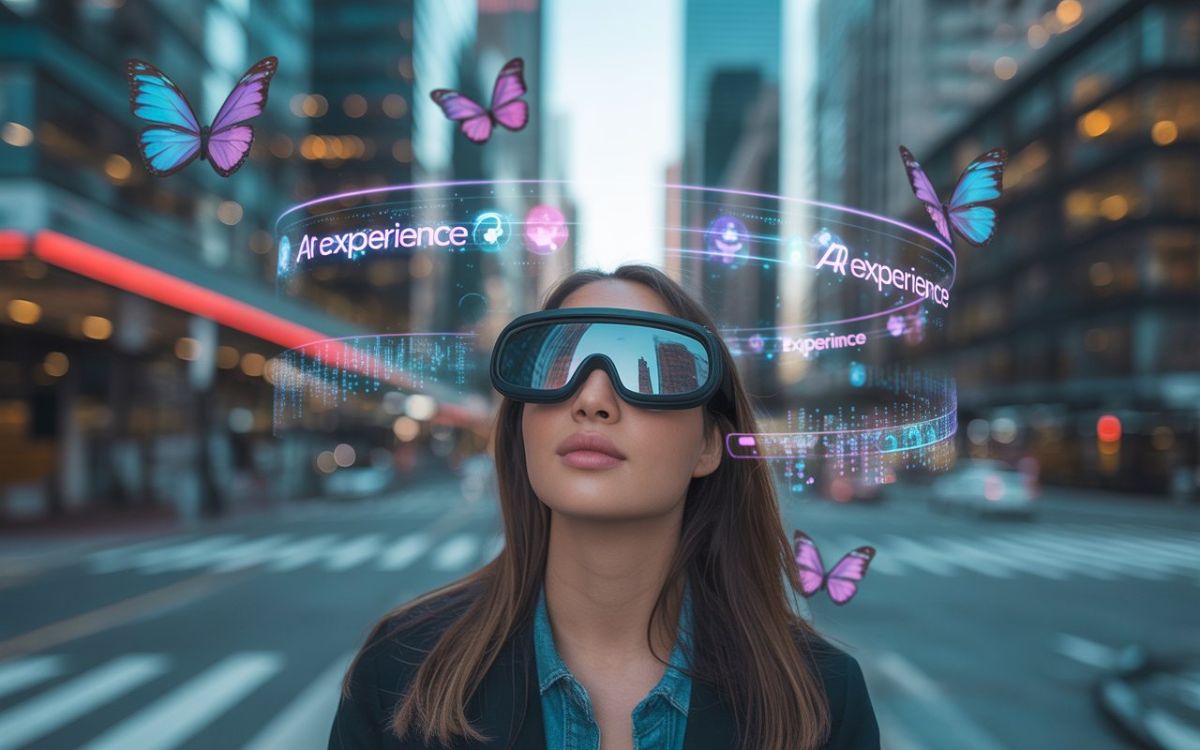 1. Improved Customer Engagement
AR increases product interaction and reduces buying hesitation.
2. Enhanced Learning & Retention
AR experiences create stronger memory associations.
3. Accessibility & Convenience
Shoppers can “try before they buy” without leaving home.
4. Operational Efficiency
Workers access manuals or guides without pausing their tasks.
5. Competitive Edge
Early adopters differentiate themselves with futuristic customer experiences.
The Future of Augmented Reality
The AR market is projected to reach $88 billion by 2030, driven by advances in hardware, connectivity, and AI. Future possibilities include:
- Everyday AR Glasses: Stylish, lightweight, and mainstream.
- 5G-Enhanced Experiences: Real-time overlays with zero lag.
- AI + AR Fusion: Personalization, predictive behavior, and advanced analytics.
- Cultural Shifts: AR may influence traditions, much like technology has impacted religion by reshaping rituals and practices.
How AI-Powered Tools Amplify Augmented Reality
AR’s true potential comes alive when paired with AI-powered business tools:
- AI Copywriting Tools: Create AR-based ad campaigns, product descriptions, and interactive storytelling.
- AI Website Builders: Build AR-ready landing pages and interactive e-commerce sites without coding.
- AI Chatbots & Automation: Deliver personalized AR-based customer service experiences.
- AI Data Processing: Analyze AR user behavior for better targeting and personalization.
By using AI automation, businesses can launch AR projects faster, cut costs, and scale immersive campaigns seamlessly.
Augmented Reality in Emerging Technologies
AR thrives in synergy with other breakthroughs:
- IoT Integration: Smart sensors map environments for AR overlays.
- 5G Networks: Support seamless real-time AR experiences.
- Advanced Microchips: Like those powering Ampak Technology, enabling AR devices to run faster and lighter.
This intersection ensures AR isn’t just an isolated trend but a cornerstone of the technological future.
Conclusion
Augmented Reality is no longer futuristic — it’s foundational. From shopping and healthcare to learning and entertainment, AR is rewriting how humans interact with both digital and physical realities. Businesses, educators, and innovators who embrace AR now will gain a competitive edge tomorrow.
When paired with AI-driven tools like automation, copywriting, and website builders, AR becomes more accessible and scalable. The future belongs to those who merge creativity with technology.
Frequently Asked Questions (FAQs)
What is the difference between AR and VR?
AR overlays digital elements onto the real world, while VR immerses users in a wholly digital environment.
What devices support AR?
AR works on smartphones, tablets, AR glasses, and headsets.
What industries benefit most from AR?
Retail, healthcare, education, entertainment, real estate, and manufacturing.
How will AR impact everyday life?
From virtual shopping to AR-powered navigation, AR will simplify tasks, enhance communication, and personalize experiences.
Can AR be combined with AI?
Yes, AI improves AR through more intelligent object recognition, data personalization, and automation.