Artificial Intelligence has become one of the most disruptive and transformative technologies of the 21st century. AI is the simulation of human intelligence in machines programmed to learn and adapt based on data inputs. As AI technology continues to evolve, it transforms how we live and work, and its impact on business and society is significant.
AI trends are shaping the future of industries such as healthcare, finance, transportation, and education, to name a few. AI-powered systems’ automation and optimization enable businesses to increase efficiency, reduce costs, and create new business models. Moreover, AI-powered systems enhance people’s lives by improving healthcare outcomes, transforming education, and creating more efficient transportation systems.
However, the widespread adoption of AI trends poses challenges, such as job displacement and the digital divide. Furthermore, there are concerns about the ethical implications of these technologies, including bias, discrimination, and privacy concerns.
In this blog post, we will explore the impact of AI trends on business and society, highlighting their advantages and challenges. We will also discuss the ethical implications of these technologies and address how governments and companies can work together to address these challenges while realizing the full potential of AI trends.
Advantages of AI Trends for Businesses
AI trends are transforming how businesses operate, offering many advantages that enable them to become more efficient, productive, and innovative. Here are some of the critical benefits of AI trends for businesses:
Automation
One of the most significant advantages of AI powered systems is their ability to automate repetitive tasks, allowing employees to focus on higher-value tasks. For example, AI can automate routine customer services tasks, such as answering FAQs or processing orders. This frees up employees’ time to focus on more complex issues, such as resolving customer complaints and improving the customer experience.
Optimization
AI-powered systems can also help businesses optimize their operations. For example, AI can optimize supply chain management by predicting demand, optimizing inventory levels, & reducing waste. Additionally, AI can optimize production processes by identifying inefficiencies and suggesting process improvements.
Innovation
AI-powered systems also enable businesses to innovate and create new products and services. For example, AI can be used to develop personalized products and services tailored to individual customer needs. Moreover, AI can analyze data and identify new market opportunities, enabling businesses to create innovative products and services that meet changing customer demands.
Overall, the advantages of AI trends for businesses are significant. They enable companies to become more efficient, optimize their operations, and create new products & services that meet changing customer demands. By leveraging AI-powered systems, businesses can stay ahead of the competition and create value for their customers.
Advantages of AI Trends for Society
AI trends are not only benefiting businesses but also improving the lives of people in society. Here are some of the critical advantages of AI trends for the community:
Healthcare
AI-powered systems are transforming the healthcare industry by enhancing patient outcomes, improving the quality of care, and reducing costs. AI can analyze patient data and assist physicians in making more accurate diagnoses & treatment plans. Additionally, AI-powered virtual assistants can provide patients round-the-clock support and monitor their health conditions in real-time.
Education
AI-powered systems are also transforming the education sector by enhancing the learning experience and providing personalized learning opportunities. AI can be used to analyze student data & personalize learning materials to meet individual learning needs. Additionally, AI-powered chatbots can provide students immediate feedback and support, improving their learning outcomes.
Transportation
AI-powered systems are improving transportation by enhancing safety, reducing traffic congestion, and improving efficiency. For example, AI can analyze traffic patterns and optimize traffic flow, reducing congestion & improving travel times. Additionally, AI-powered self-driving cars are enhancing safety by reducing the number of accidents caused by human error.
Overall, the advantages of AI trends for society are significant. They are enhancing healthcare outcomes, improving the quality of education, and making transportation safer and more efficient. By leveraging AI-powered systems, organizations can address some of the most pressing challenges and create a better future for all.
Challenges Posed by AI Trends
While AI trends offer many advantages, they pose significant challenges that must be addressed. Here are some of the critical challenges posed by AI trends:
Transparency
One of the most significant challenges AI trends poses is the need for more transparency in how these systems make decisions. AI-powered systems can be complex, making understanding how they arrive at their choices challenging. This lack of clarity can lead to bias, discrimination, and fairness concerns.
Accountability
Another challenge posed by AI trends is the issue of accountability. As AI-powered systems become more widespread, it is becoming increasingly challenging to hold individuals or organizations accountable for the decisions made by these systems. This can have significant implications for issues such as data privacy and security.
Upskilling
AI trends are also posing a challenge to the labor force. As AI-powered systems automate tasks previously performed by humans, there is a risk of job displacement. This underscores the importance of upskilling the workforce and preparing them for future jobs that will require skills such as data analysis, critical thinking, and problem-solving.
Overall, addressing the challenges posed by AI trends is crucial to realizing their full potential while ensuring that they benefit society. Transparency, accountability, and upskilling are just a few challenges that must be addressed to ensure that AI trends are developed and used responsibly. Governments and businesses must work together to address these challenges and create a future where AI-powered systems benefit society.
Ethical Implications of AI Trends
The widespread use of AI trends has raised significant ethical concerns, including bias, discrimination, and privacy issues. Here are some of the critical ethical implications of AI trends:
Bias
AI-powered systems are only as unbiased as the data they are trained on. If the data used to train these systems is biased, the system’s output will also be limited. This can result in decisions unfairly favoring certain groups or individuals, perpetuating existing inequalities.
Discrimination
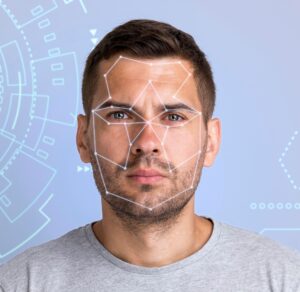
AI-powered systems can also be used to discriminate against certain groups or individuals. For example, facial recognition technology has been shown to have higher error rates when identifying individuals with darker skin tones, leading to concerns about discrimination.
Privacy concerns
AI-powered systems can also pose significant privacy concerns. These systems can collect vast amounts of data about individuals, including their personal information, online activity, and biometric data. This can lead to concerns about data privacy and security and the potential for this data to be used for malicious purposes.
Overall, the ethical implications of AI trends are complex and multifaceted. Developers, businesses, and policymakers must work together to address these ethical concerns and ensure that AI-powered systems are developed and used responsibly. By doing so, we can harness the power of AI trends while ensuring that they are developed and used to benefit society as a whole.
Addressing the Challenges of AI Trends
As we have discussed, AI trends pose significant challenges, including transparency, accountability, upskilling, bias, discrimination, and privacy issues. Addressing these challenges will require collaborative solutions from governments and businesses. Here are some strategies that can be used to address these challenges:
Transparency and accountability
Governments can regulate AI development and use it to ensure that AI-powered systems are transparent, accountable, and comply with ethical standards. Businesses can also work to build transparency and accountability into their AI-powered systems by providing clear explanations of how decisions are made.
Upskilling
Governments and businesses can collaborate to provide upskilling opportunities to the workforce. This can help individuals develop the skills needed for future jobs, including data analysis, critical thinking, and problem-solving.
Bias and discrimination
Governments and businesses can work together to address bias and discrimination in AI-powered systems by developing and implementing diversity and inclusion policies. Additionally, AI developers can use diverse and representative data sets to train their strategies, which can reduce the risk of bias.
Privacy concerns
Governments can develop regulations and guidelines to protect individual privacy and data security. Businesses can also implement data protection policies and security measures to protect personal privacy.
Overall, addressing the challenges posed by AI trends will require collaborative solutions from governments and businesses. By working together, we can ensure that AI-powered systems are developed and used responsibly and ethically, benefiting society.
Conclusion
AI trends have significant impacts on both businesses and society. While AI has the potential to revolutionize various industries, it also poses several challenges related to transparency, accountability, upskilling, bias, discrimination, and privacy. We must address these challenges and harness the power of AI responsibly and ethically.
The advantages of AI trends for businesses include automation, optimization, and innovation. AI-powered systems can help companies to streamline their operations, increase efficiency, and gain valuable insights into their processes.