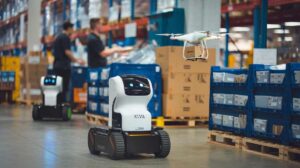
The future of automation goes beyond technology; it signifies a fundamental change in how businesses, industries, and consumers interact with technology. From automated fulfillment centers to AI-driven customer support, automation is redefining efficiency and innovation. Understanding its capabilities and implications becomes essential for individuals and enterprises as the world races toward a more automated tomorrow.
What is Future Automation?
Future automation refers to leveraging advanced technologies, such as robotics, artificial intelligence (AI), and machine learning, to optimize processes in various industries. These technologies aim to streamline repetitive tasks, improve efficiency, & reduce the margin for human error. From warehouses to customer service, automation is transforming how businesses operate.
How Does Automation Work?
Automation relies on hardware (like robots and drones) and software (such as AI algorithms and analytics tools). Together, these systems manage tasks with precision. For instance, warehouse robotic arms pick and pack goods faster than humans, while AI-driven analytics tools predict stock needs based on past trends.
Why is Automation Essential?
Industries across the globe face increasing pressure to reduce costs, enhance productivity, and deliver faster results. Automation offers solutions by:
- Improving Efficiency: Automated systems work continuously, unaffected by fatigue.
- Reducing Errors: Machines are programmed to follow specific instructions, minimizing mistakes.
- Cost Savings: Automation decreases the necessity for manual labor in repetitive tasks.
- Customer Satisfaction: Faster deliveries and accurate order fulfillment enhance user experiences.
Problems Faced by Businesses Without Automation
Businesses that haven’t embraced automation encounter several challenges:
- Inefficient Operations: Manual processes take longer and are prone to errors.
- High Labor Costs: Repetitive tasks require significant human resources.
- Limited Scalability: Growing businesses struggle to meet demand without automated solutions.
- Customer Dissatisfaction: Delays and mistakes in orders can harm brand reputation.
Popular Brand in Future Automation
One notable name in the automation industry is Amazon Robotics.
Amazon Robotics has pioneered fulfillment automation by introducing systems like KIVA robots and Sparrow. These technologies:
- Enhance warehouse operations by reducing manual labor.
- Improve the accuracy & speed of order fulfillment.
- Utilize innovative solutions, such as automated storage systems, for inventory management.
Amazon Robotics’ systems are a testament to how automation can reshape logistics and set benchmarks for efficiency.
Common Myths about Automation
Despite its growing popularity, some myths persist:
- Automation Replaces Jobs: Automation doesn’t eliminate jobs but shifts them, creating roles that focus on managing and enhancing automated systems.
- Only Large Companies Need Automation: Small and medium-sized businesses can equally benefit from tools that streamline operations.
Future Automation in Action
Imagine a fulfillment center where robots pick and pack items, drones deliver them to customers, and inventory is updated automatically. This seamless process reduces errors and enhances customer satisfaction—a reality brought to life by automation giants like Amazon Robotics.
Dive Deeper into Future Automation
Now that you understand the basics of future automation, it’s time to explore how these technologies can solve real-world problems. Learn more in Future Automation Solutions: How Advanced Technologies Solve Modern Challenges as we delve into the practical solutions offered by leading automation companies.