Facial recognition software has rapidly evolved from a futuristic concept into a mainstream technology used by businesses, governments, and consumers worldwide. From unlocking smartphones to enhancing security systems and enabling seamless customer experiences, facial recognition is reshaping industries. In 2025, its adoption continues to accelerate—bringing both opportunities and challenges.
In this guide, we’ll explore what facial recognition software is, how it works, the industries using it, ethical debates, and practical ways businesses can leverage it for growth.
What is Facial Recognition Software?
Facial recognition software is a biometric technology that identifies or verifies a person’s identity using their facial features. The system scans a face through cameras, maps unique patterns such as the distance between eyes or jawline structure, and matches it against a database of stored images.
This technology relies on advanced AI algorithms, machine learning models, and computer vision to analyze and process facial data in real time. Today, it is used for:
- Security and access control
- Law enforcement and surveillance
- Retail personalization and customer experience
- Digital payments and banking authentication
- Healthcare patient verification
 How Does Facial Recognition Software Work?
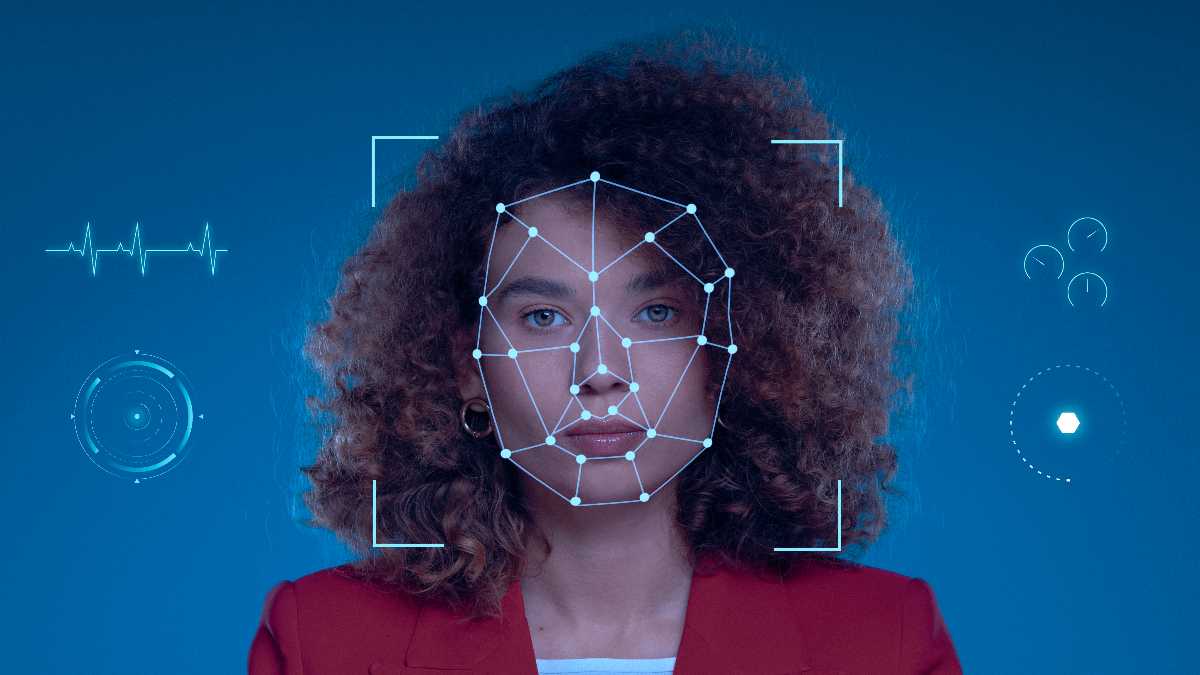 How Does Facial Recognition Software Work?
Facial recognition typically follows four significant steps:
- Detection – The software identifies a face in an image or video feed.
- Analysis – It maps facial landmarks such as nose, eyes, and cheekbones.
- Conversion – The mapped data is converted into a digital faceprint.
- Matching – This faceprint is compared to stored profiles in a database.
AI-powered models ensure higher accuracy by learning from millions of samples, reducing false positives, and improving recognition even in poor lighting or at different angles.
Benefits of Facial Recognition Software
Businesses and organizations are adopting facial recognition software for several advantages:
1. Enhanced Security
Facial biometrics provide an additional layer of security beyond passwords and ID cards. Offices, airports, and banks use it to prevent unauthorized access.
2. Faster Authentication
Unlike PINs or swipe cards, facial recognition provides instant verification, saving time in high-traffic areas.
3. Contactless Experience
Post-pandemic, touchless solutions have become critical. Facial recognition reduces the need for physical contact while maintaining convenience.
4. Data-Driven Insights
In retail, it helps track customer behavior, dwell time, and satisfaction levels, allowing for hyper-personalized shopping experiences.
Challenges and Concerns
While facial recognition software offers efficiency, it also raises challenges:
- Privacy Concerns – Widespread use triggers debates around surveillance and data misuse.
- Bias & Accuracy – Some algorithms may struggle with diverse skin tones and facial structures.
- Regulatory Barriers – Many countries have strict laws governing biometric data collection.
- Ethical Dilemmas – Balancing security with personal freedom remains controversial.
Applications Across Industries
Security and Law Enforcement
Used for real-time surveillance, suspect tracking, and border control.
Healthcare
Hospitals apply it for patient ID verification, prescription authentication, and access to sensitive records.
Banking & Payments
Biometric authentication allows secure login and cashless payments.
Retail & Hospitality
Stores identify loyal customers, personalize offers, and speed up checkouts. Hotels use it for frictionless check-ins.
Smart Cities
Facial recognition integrates with IoT sensors to monitor public safety, traffic control, and access systems.
Retail Adoption of Facial Recognition
A major retail chain implemented facial recognition to improve customer experience and reduce theft. The system identified repeat customers and triggered personalized offers, increasing customer loyalty by 25%. Simultaneously, it reduced shoplifting incidents by 30%.
This example shows how facial recognition software not only boosts security but also drives business growth.
Solving Business Pain Points with AI-Powered Tools
Many businesses struggle with security risks, slow verification processes, and a lack of personalization. Facial recognition software, when combined with AI-driven platforms, provides:
- Automated Access Control – Faster entry for employees and verified visitors.
- Fraud Detection – Stops unauthorized transactions in banking and finance.
- Customer Engagement – Personalizes shopping experiences with real-time recognition.
- Operational Efficiency – Reduces costs of manual verification and security staffing.
By integrating AI-powered automation and analytics, businesses can maximize the value of facial recognition technology—turning challenges into opportunities.
Future of Facial Recognition Software
By 2030, experts predict facial recognition will be deeply integrated with blockchain security, AR/VR, and IoT ecosystems. Advances in edge computing will allow devices to process recognition locally, reducing dependency on cloud servers and enhancing privacy.
Ethical AI frameworks and transparent regulations will shape how this technology is applied responsibly, ensuring both innovation and protection of civil liberties.
Frequently Asked Questions (FAQs)
Is facial recognition software safe to use?
Yes, it is generally safe when implemented with strong data encryption and regulatory compliance.
Can facial recognition be fooled by photos or videos?
Modern systems use 3D mapping and liveness detection to prevent spoofing attempts.
What industries use facial recognition the most?
Security, finance, healthcare, retail, and government sectors are leading adopters.
Does facial recognition software work with masks?
Advanced AI models can recognize partial facial features, though accuracy may vary.
What is the future of facial recognition software?
It will expand into smart cities, IoT, and digital identity systems, with stricter privacy laws ensuring ethical use.