In today’s fast-paced digital world, business technology is more than just a buzzword — it’s the engine driving growth, innovation, and efficiency across every industry. From cloud software to intelligent automation, companies that embrace the right tech tools are outpacing their competitors and adapting faster to change.
This guide explains business technology, why it matters, and how to use it to level up your operations in 2025 and beyond.
What Is Business Technology?
Business technology is any digital tool, system, or infrastructure that helps a company run smoothly and grow smarter. It includes:
- IT infrastructure: Hardware like servers, routers, and computers.
- Software: From office tools to accounting platforms and CRM systems.
- Cloud computing: Remote servers that host data and apps on demand.
- Cybersecurity tools: Protection from cyber threats, malware, and data breaches.
- Data analytics: Turning business data into real-time insights.
- Communication tools: Messaging, video calls, and project collaboration platforms.
In short, business technology keeps a company connected, efficient, and competitive in the digital age.
Why Business Technology Matters
1. Drives Efficiency and Automation
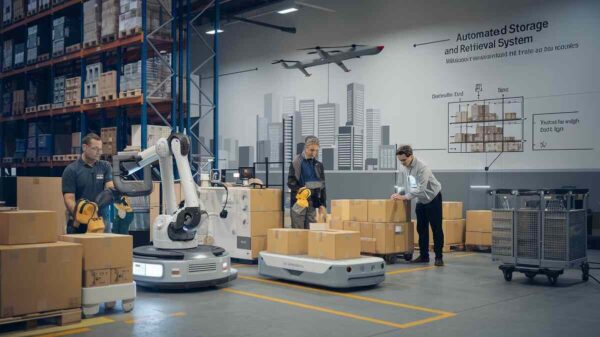
Manual processes are outdated. Business technology automates data entry, email responses, customer onboarding, and inventory tracking. This means less time wasted and more work done.
2. Improves Decision-Making
With data analytics, businesses can monitor performance, track customer behavior, and forecast trends. You make more brilliant moves, backed by data, not guesses.
3. Enhances Customer Experience
CRM software, AI chatbots, and e-commerce platforms help personalize experiences and offer faster service. Happy customers = loyal customers.
4. Reduces Costs
Cloud-based tools cut down hardware costs, remote work reduces office expenses, and automation saves on labor. Tech is the ultimate cost-cutting tool.
5. Fuels Innovation
From AI to IoT, emerging business technologies let companies test new ideas, reach new markets, and develop new revenue streams.
Also Read:
Real Examples of Business Technology in Action
| Category | Technology Used | Purpose |
|---|---|---|
| Sales | CRM (e.g., HubSpot, Zoho) | Track leads, manage relationships |
| Retail | POS Systems (e.g., Square, Shopify POS) | Manage sales, inventory, and payments |
| E-commerce | Platforms (e.g., WooCommerce, BigCommerce) | Sell products and services online |
| Marketing | SEO tools, Email platforms (e.g., Mailchimp, SEMrush) | Automate campaigns and boost visibility |
| Project Management | Tools (e.g., Trello, Monday.com) | Collaborate, assign tasks, and track progress |
| Finance | Software (e.g., QuickBooks, Xero) | Manage expenses, payroll, and invoicing |
| Communication & Remote Work | Zoom, Slack, Google Meet | Enable real-time communication and meetings |
How Business Technology Solves Key Pain Points
Today’s small businesses and startups face several challenges: tight budgets, limited workforce, and the pressure to move fast. That’s where business technology becomes a game-changer.
Here’s how modern digital tools solve real-world problems:
- Problem: Struggling to build a professional website?
- Solution: Use AI website builders to launch in hours without coding.
- Problem: Wasting time on repetitive tasks?
- Solution: Automation tools handle follow-ups, lead scoring, and more.
- Problem: No tech team for support?
- Solution: Pre-built chatbots and drag-and-drop platforms reduce the need for technical skills.
- Problem: Not enough leads or conversions?
- Solution: Use AI-powered copywriting and landing page tools to boost engagement.
Even minor teams can compete like big players with the right tech stack.
Business Technology vs Traditional Operations
Aspect Traditional Approach With Business Technology
| Aspect | Traditional Approach | With Business Technology |
|---|---|---|
| Customer Support | Phone calls and emails | AI chatbots and self-service help desks |
| Data Storage | On-site servers and paper files | Cloud-based platforms accessible 24/7 |
| Marketing | Print, radio, word-of-mouth | Targeted digital ads, SEO, and social media |
| Collaboration | In-person meetings | Remote work tools with real-time updates |
| Project Tracking | Whiteboards and spreadsheets | Interactive dashboards and notifications |
The Future of Business Technology (2025 and Beyond)
- AI + Automation: AI will further streamline marketing, customer service, and product development.
- Edge Computing: Faster processing closer to users = better real-time data handling.
- Blockchain: Secure and transparent record-keeping for everything from payments to contracts.
- IoT Devices: Smarter supply chains and customer interactions through connected devices.
- Hyper-personalization: AI-driven analytics to create ultra-tailored customer experiences.
Final Thoughts
Whether running a local store or launching a startup, business technology isn’t optional anymore — it’s your competitive edge. Embrace the right tools, and you’ll spend less time on busywork and more time growing your business.
From cloud platforms and CRM tools to AI automation and digital marketing systems, the possibilities are endless — and so are the gains.