The rise of smart devices has transformed way businesses collect data, automate operations, and communicate in real-time. At the center of this revolution are IoT SIM cards—specialized SIMs designed to connect machines to the internet securely and globally.
Whether you’re managing a fleet of vehicles, deploying smart agriculture sensors, or operating remote medical equipment, IoT SIM cards offer seamless connectivity across countries, carriers, and devices.
What Are IoT SIM Cards?
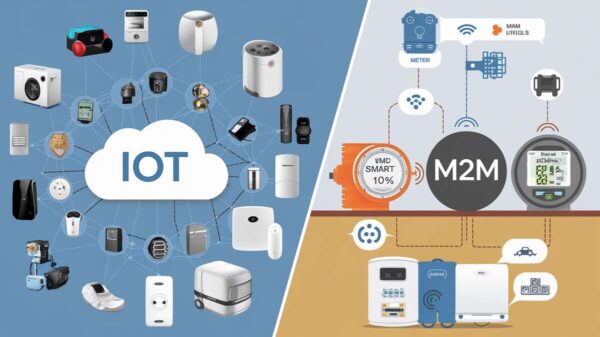
IoT SIM cards (also known as M2M SIMs) are tailored for Internet of Things devices, enabling machines to communicate with each other and cloud platforms via mobile networks. Unlike traditional SIMs in smartphones, IoT SIMs are built for long-term, remote, low-power usage in smart devices.
These SIMs support global roaming, allow remote provisioning, and offer network failover capabilities—essential for mission-critical IoT deployments.
 How Do IoT SIM Cards Work?
 How Do IoT SIM Cards Work?
An IoT SIM card connects a device (like a GPS tracker or temperature sensor) to the internet via a mobile network (2G, 3 G, 4G, or 5G). What makes them unique is:
- Multi-network access: They connect to the strongest available carrier in any location.
- APN customization: Devices can be managed with private APNs for added security.
- Remote SIM provisioning (eUICC): You can switch network profiles without physically replacing the SIM.
- Low data consumption: IoT SIMs are optimized for small data packets, ideal for telemetry or sensor data.
Key Benefits of IoT SIM Cards
1. Global Connectivity
IoT SIMs allow devices to remain connected across different regions without switching SIMs or carriers.
2. Scalability
Businesses can deploy thousands of devices with a single management platform to activate, suspend, or update SIM profiles remotely.
3. Security
Encrypted data transmission, private networks, and VPN integration make them safer than standard SIMs.
4. Cost Efficiency
Many IoT SIM providers offer pooled data plans or pay-as-you-go models, reducing operating costs.
5. Longevity
IoT SIMs are made for rugged conditions and can last 5–10 years in embedded systems.
Also Read:
IoT SIM Cards vs Traditional SIM Cards
| Feature | IoT SIM Cards | Traditional SIM Cards |
|---|---|---|
| Connectivity | Multi-network, global | Single carrier, local |
| Remote Management | Yes | Limited |
| Security | Advanced, encrypted | Basic |
| Use Case | Machines, sensors, M2M | Phones, tablets |
| Lifespan | Long-term | Medium |
Use Cases of IoT SIM Cards in Business
1. Fleet Management
Track vehicles in real time, monitor fuel usage, & optimize routes using GPS devices powered by IoT SIMs.
2. Smart Agriculture
Control irrigation systems, monitor soil conditions, and detect pests using IoT-connected sensors in the field.
3. Healthcare Monitoring
Wearables and remote diagnostic tools use IoT SIMs to transmit patient vitals to healthcare providers.
4. Retail & Vending
Intelligent vending machines and POS terminals send transaction data via cellular networks using IoT SIMs.
5. Utilities & Energy
Monitor gas, electricity, and water usage with connected smart meters that relay data in real-time.
How AI-Powered Tools Enhance IoT SIM Card Deployment
While IoT SIM cards offer robust connectivity, their real impact is seen when combined with automation and analytics platforms. AI-powered tools can:
- Auto-detect device anomalies in real time
- Trigger alerts when SIMs go offline or change locations
- Optimize bandwidth and usage across SIMs
- Automate billing and usage reports
- Provide dashboards to monitor all connected devices from one place
These tools reduce manual oversight and enable businesses to scale operations without increasing operational overhead.
IoT SIMs in a Logistics Company
A mid-sized logistics firm deployed over 1,000 GPS tracking devices across its delivery vehicles. Initially using local SIMs, the company faced issues with network dropouts, roaming fees, and data limits. After switching to global IoT SIM cards:
- Connectivity improved by 60% with multi-network roaming.
- Operational costs reduced by 40% due to optimized data pooling.
- Vehicle downtime decreased thanks to real-time monitoring and alerts.
The company later integrated these devices into an AI-based dashboard that managed everything from route optimization to device health.
Choosing the Right IoT SIM Card Provider
When selecting an IoT SIM provider, look for:
- Multi-carrier support
- Global coverage
- Scalable data plans
- API access for automation
- 24/7 customer support
- eUICC support for future-proofing
Some providers also offer customized management portals for easier integration into existing workflows.
The Future of IoT SIM Cards
As 5G & Low Power Wide Area Networks (LPWAN) expand, IoT SIM cards will evolve to support higher bandwidth, ultra-low latency, and longer battery life. This will open up new opportunities in autonomous driving, industrial automation, and smart cities.
The emergence of iSIM (Integrated SIM) and eSIM (Embedded SIM) technologies will also reduce physical limitations, offering even more compact and secure IoT solutions.
Final Thoughts
IoT SIM cards are the invisible backbone of modern connected devices. From agriculture to transportation, these cards power real-time communication and automation across industries. By leveraging AI-powered platforms, businesses can extract actionable insights, reduce costs, and ensure uninterrupted connectivity at scale.
Frequently Asked Questions (FAQs)
What is an IoT SIM card?
An IoT SIM card is a type of SIM used in Internet of Things (IoT) devices to enable cellular connectivity across networks and geographies.
Can IoT SIM cards be used internationally?
Yes, most IoT SIMs are designed with global roaming features, allowing connectivity in over 100+ countries.
How are IoT SIM cards different from normal SIM cards?
IoT SIMs offer multi-network support, long lifespan, remote management, and are designed for machine-to-machine (M2M) communication.
Do IoT SIM cards support 5G?
Yes, many modern IoT SIM cards are 5G-compatible and backward compatible with 4G, 3 G, and 2G networks.
Are IoT SIM cards secure?
Yes, they support encrypted data transfer, private networks, and advanced authentication for enhanced security.