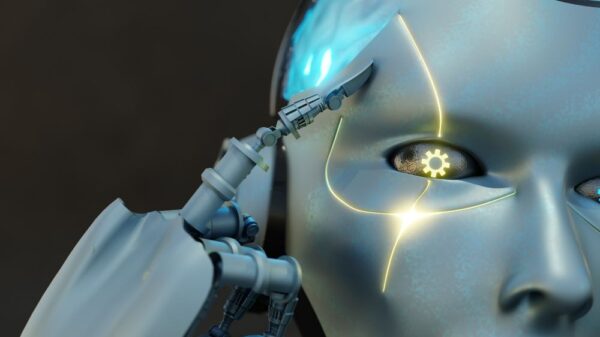
In today’s world, data is king. And a massive chunk of that data comes in images and videos. Visual AI, also known as computer vision, is the branch of artificial intelligence (AI) that empowers machines to make sense of visual data. It gives computers eyes that can see, understand, and extract meaning from the visual world.
Imagine this: You’re scrolling through social media and see an ad for a pair of shoes you absolutely must have. With visual AI, the platform recognizes your interest and recommends similar styles from other brands. Or, you’re at a self-checkout lane at the grocery store, and instead of scanning each item, the system uses visual AI to identify and bill you for your purchases.
These are just a few examples of visual AI transforming our lives. But what exactly does it do?
Visual AI in Action
Visual AI, also known as computer vision, is revolutionizing how we interact with machines and the world around us. It allows machines to see and understand visual data like images and videos, much like humans do. Here are some ways visual AI is making a difference:
Image and Video Analysis
Object Detection and Recognition: Visual AI can identify objects in images and videos, like people, cars, furniture, or even specific animal species. It is used in self-driving cars, security systems, and image organization on your phone.
Content Moderation: Social media platforms use visual AI to detect and remove inappropriate content from images and videos.
Medical Imaging: AI can analyze X-rays, MRIs, and other scans to identify abnormalities and assist doctors in diagnosing diseases.
Real-World Applications
- Self-Driving Cars: Visual AI is crucial for self-driving cars to navigate the road, recognize objects and pedestrians, and react to their surroundings.
- Smart Retail: Stores use visual AI to track inventory, analyze customer behavior, and optimize product placement.
- Security and Surveillance: AI can analyze security footage to detect suspicious activity or identify criminals.
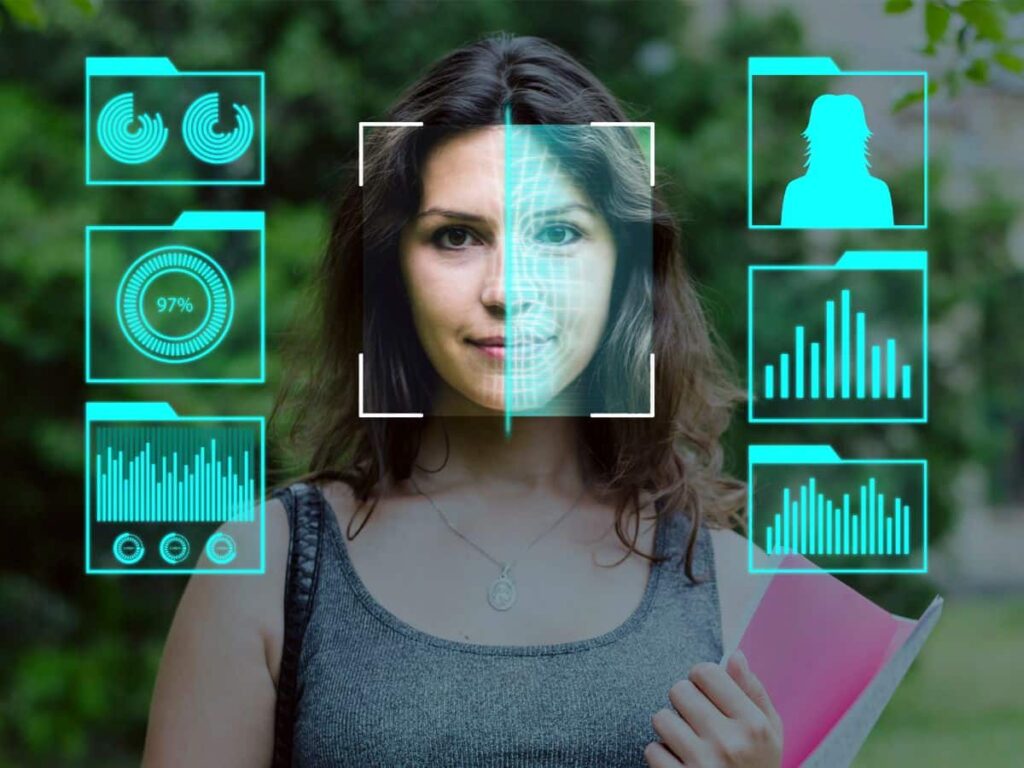
- Facial Recognition: Unlocking your phone with your face or tagging friends in photos are both powered by facial recognition technology.
These are just a few examples, and the potential applications of visual AI are vast and ever-growing. As innovation is created, we can see more inventive ways visual AI changes our world. Deep learning allows AI models to learn complex patterns from vast amounts of image data. Object detection and recognition: AI can identify and classify objects within an image, like a car, a person, or a specific product. Image segmentation breaks down an image into its different components, allowing for a more detailed understanding of the scene.
The Applications are Wide-Ranging
Visual AI is having a significant impact across various industries:
- Retail: Visual search helps customers find products online based on images, while automated stock management ensures shelves are always filled.
- Manufacturing: AI-powered visual inspection systems can detect product defects with far greater accuracy and speed than human inspectors.
- Healthcare: Visual AI can analyze medical scans to identify diseases and assist in surgery.
- Security and surveillance: Facial recognition and anomaly detection can help keep us safe in public spaces.
The Future of Visual AI
The future of visual AI is brimming with possibilities that will fundamentally alter how we interact with the world and information. Here’s a glimpse into what’s on the horizon:
Revolutionizing Healthcare
Visual AI is poised to become a cornerstone of medical advancements. Imagine AI systems that can analyze medical scans with unprecedented accuracy, detecting subtle abnormalities that might escape the human eye. This could lead to earlier diagnoses, improved treatment plans, and better patient outcomes.
Enhanced Creativity
Visual AI is breaking new ground in the realm of creativity. From generating never-before-seen design concepts to composing music based on visual data, AI is becoming a powerful tool for artists and designers. This collaboration between human creativity and machine capabilities has the potential to push the boundaries of artistic expression.
A More Inclusive World
Visual AI has the potential to bridge the digital divide for people with disabilities. Imagine AI-powered systems that can describe images in detail for visually impaired individuals or convert text into real-time speech for the hearing impaired. Visual computer-based intelligence can play a huge part in making a more comprehensive and open advanced scene.
Ethical Considerations
As visual AI flourishes, ethical considerations will inevitably come to the forefront. Security, algorithmic inclination, and the dependable utilization of facial acknowledgment innovation should be addressed to guarantee this strong innovation is utilized forever.
The future of visual AI is not just about technological advancements; it’s about the positive impact it can have on our lives. From revolutionizing healthcare to fostering creativity and inclusivity, visual AI has the potential to shape a better tomorrow. However, navigating the ethical considerations that come with such powerful technology will be crucial in ensuring its responsible development and deployment.
Visual AI Benefits
Visual AI, or computer vision, offers many advantages organizations and customers can feel. Here are a portion of the key benefits:
Enhanced Automation and Efficiency: Visual AI automates tasks previously done manually, saving time and resources. For example, AI can scan documents, extract data, and identify objects in images and videos.
Improved Decision-Making: AI can provide valuable insights into better decision-making by analyzing visual data. This is applicable in fields like finance, manufacturing, and healthcare.
Revolutionized Customer Experience: Visual AI is transforming how we interact with technology. Features like image recognition and visual search make it easier for consumers to find what they want online. Additionally, AI can personalize recommendations and enable virtual try-on experiences.
Advanced Security and Surveillance: Facial recognition and object detection powered by visual AI are used for security purposes in various settings. This can help prevent crimes and improve public safety.
Breakthroughs in Various Fields: Visual AI is having a significant impact on various industries. In medicine, AI can analyze medical scans and aid in early disease detection. Self-driving cars rely heavily on visual AI for navigation and obstacle avoidance.
Conclusion
With great power comes great responsibility. As visual artificial intelligence (AI) becomes more pervasive, it’s important to consider the ethical implications—issues like security, predisposition in calculations, and the potential for abuse should be addressed. AI is reforming the way that we cooperate with machines and the world. By bridling its power mindfully, we can open a future loaded with development and progress.