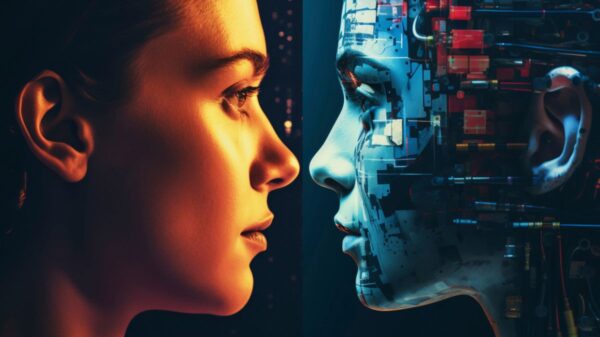
The idea of attractiveness is fundamental in a world where first impressions count. Whether it’s a job interview, a social gathering, or even online dating, our perception of beauty influences our interactions. But what exactly makes someone attractive? Can we quantify it? Enter artificial intelligence (AI), which has revolutionized the way we analyze and understand attractiveness.
Attractiveness AI
Attractiveness AI is an advanced application of artificial intelligence designed to assess and quantify human attractiveness. A variety of face traits, body proportions, and behavioral clues are analyzed using advanced algorithms and machine learning approaches to determine a person’s level of attractiveness.
AI Algorithms for Beauty Assessment
- Researchers have developed AI algorithms that predict attractiveness based on facial features. These models analyze factors like symmetry, facial proportions, and other visual cues.
- For example, an AI model might score faces based on features like clear skin, well-defined cheekbones, and balanced proportions.
- Keep in mind that attractiveness is subjective, and cultural norms play a role. What one person finds attractive may differ from another’s perception.
Remember that these tools provide fun and approximate assessments. True attractiveness goes beyond physical appearance and includes personality, confidence, and other intangible qualities!
Unveiling the Future: Attractiveness AI
From enhancing communication to revolutionizing healthcare, the possibilities seem endless. One such groundbreaking development that has been capturing attention lately is Attractiveness AI. But what exactly is it, and how is it shaping our world? Let’s delve into this captivating topic and explore the potential implications.
The Science Behind the Beauty
At the core of the Attractiveness of AI lies the amalgamation of computer vision and deep learning algorithms. These algorithms are trained using enormous collections of facial images. Human faces encompassing diverse ethnicities, ages, and cultural backgrounds. By scrutinizing these datasets, Attractiveness AI learns to recognize patterns and subtle nuances that contribute to perceived attractiveness.
How Does It Work?
When presented with an image or video footage, Attractiveness AI swiftly identifies key facial landmarks such as the eyes, nose, lips, and jawline. It then evaluates various factors like symmetry, facial proportions, skin condition, and even emotional expressions. Through continuous refinement and feedback, the AI continually improves its accuracy in assessing attractiveness.
Applications and Implications
- The applications of Attractiveness AI are manifold and extend across various industries:
- Marketing and Advertising: Brands can utilize Attractiveness AI to tailor their advertisements and marketing campaigns to resonate with their target audience’s preferences.
- Entertainment: Casting directors and producers can leverage Attractiveness AI to streamline the casting process and ensure that actors and actresses fit the desired aesthetic for specific roles.
- Healthcare: In the realm of cosmetic surgery and dermatology, Attractiveness AI can assist professionals in assessing patient concerns and recommending personalized treatments.
- Social Media and Dating Apps: Platforms can integrate Attractiveness AI to enhance user experiences by providing personalized recommendations and filters based on individual preferences.
However, the proliferation of Attractiveness AI also raises ethical considerations and concerns regarding privacy, bias, and societal standards of beauty. It is imperative to approach its development and implementation with caution and a keen awareness of the potential implications.
The Role of AI in Assessing Beauty
Facial Analysis Algorithms: AI algorithms can meticulously examine facial features, identifying patterns associated with attractiveness. These algorithms consider factors like symmetry, facial proportions, and skin quality.
Deep Learning Models: Customized deep learning models, often based on pre-trained architectures like ResNet-50, learn from vast datasets of hand-labeled photos. These models fine-tune their understanding of attractiveness, providing scores that range from 1 to 10.
Image Preprocessing: Before analysis (AI)crops and transforms input images to align them with the training dataset. OpenCV assists in initial preprocessing.
How to Test Your Attractiveness Using AI
Upload Your Photo: Visit an attractiveness assessment tool (like the one at AttractivenessTest.com) and upload a clear photo of your face.
Follow Guidelines: To ensure accurate predictions, adhere to these guidelines:
- Show your face from the front.
- Ensure your face covers at least 50% of the photo.
- Avoid accessories like sunglasses.
- Use color photos without filters.
The Beauty Score: Your attractiveness is rated by the AI model on a range of 1 to 10. Remember, this score is subjective and doesn’t define your worth.
The Controversy
AI beauty assessments, while entertaining, pose ethical quandaries. Are we reducing human beauty to mere metrics? Relying on algorithms to define attractiveness raises concerns about objectification and the perpetuation of societal norms. Moreover, biases within training data can skew results, reinforcing stereotypes and marginalizing certain groups. It’s crucial to approach these technologies with caution, ensuring they don’t deepen existing inequalities or undermine individual dignity. As we embrace innovation, let’s prioritize transparency, inclusivity, and ethical oversight to mitigate potential harm and uphold human values in the pursuit of beauty.
The Future Beckons
As AI continues to evolve in various facets of our lives, one thing remains certain: it challenges conventional notions of beauty and underscores the intricate interplay between technology and human perception. The idea of attractiveness is fundamental in a world where first impressions count. Whether it’s a job interview, a social gathering, or even online dating, our perception of beauty influences our interactions. But what exactly makes someone attractive? Can we quantify it? Enter artificial intelligence (AI), which has revolutionized the way we analyze and understand attractiveness.
Conclusion
The integration of AI in assessing attractiveness presents both opportunities and challenges. AI algorithms offer valuable insights into aesthetic preferences across cultures and demographics, aiding individuals in making informed decisions and industries in predicting trends. However, ethical concerns arise regarding privacy, bias, and the perpetuation of unrealistic beauty standards. Without proper oversight, AI could reinforce societal biases and contribute to negative body image issues. Moving forward, it is crucial to approach the use of AI in assessing attractiveness with caution and ethical considerations.