Artificial intelligence is no longer science fiction—it’s the engine driving today’s technological revolution. Whether powering voice assistants, detecting fraud, or optimising business operations, artificial intelligence is redefining how we interact with the digital world. But what exactly is artificial intelligence, and why does it matter so much in modern business?
This article explains how AI works, provides key benefits, discusses top use cases, and explains how AI tools can solve real business pain points today.
What Is Artificial Intelligence?
Artificial intelligence (AI) refers to the ability of machines to mimic human cognitive functions similar as learning, reasoning, problem-solving, and adapting to new situations. These systems are trained to analyse massive amounts of data, recognise patterns, make decisions, and continuously improve their performance, often faster and more accurately than humans.
In simple terms, artificial intelligence is about making machines smart enough to do tasks that once required human intelligence.
 How Does Artificial Intelligence Work?
 How Does Artificial Intelligence Work?
Artificial intelligence systems rely on advanced algorithms and models replicating how humans think and learn. The three major components include:
1. Machine Learning (ML)
Machine learning is a method where AI systems learn from data rather than being manually programmed. It helps artificial intelligence recognise trends and make predictions.
2. Deep Learning
Deep learning uses neural networks to simulate how the human brain processes information. It’s used in voice recognition, image analysis, and recommendation engines.
3. Natural Language Processing (NLP)
NLP allows machines to understand and generate human language, enabling applications like chatbots, translation tools, and sentiment analysis.
Types of Artificial Intelligence
Artificial intelligence can be categorised into different types based on its capabilities:
Narrow AI (Weak AI)
This type of artificial intelligence is designed to perform a specific task, such as recommending videos or answering customer queries. It excels in one function but cannot perform outside of its defined parameters.
General AI (Strong AI)
General AI, still theoretical, would be able to perform any intellectual task a human can. It would possess reasoning, learning, and emotional understanding at a human level.
Reactive vs. Self-Aware AI
- Reactive AI responds to input with no memory (e.g., chess programs).
- Self-aware AI (not yet developed) would have consciousness and emotions.
Applications of Artificial Intelligence Across Industries
Artificial intelligence is transforming every sector:
- Healthcare: Predictive diagnostics, personalised treatment, robotic surgery
- Finance: Fraud detection, algorithmic trading, credit scoring
- Retail: Smart recommendations, inventory automation, customer segmentation
- Transportation: Autonomous driving, traffic optimisation, fleet tracking
- Marketing: Personalised content, customer analytics, ad targeting
- Education: Virtual tutors, adaptive learning platforms, grading automation
 Benefits of Artificial Intelligence in Business
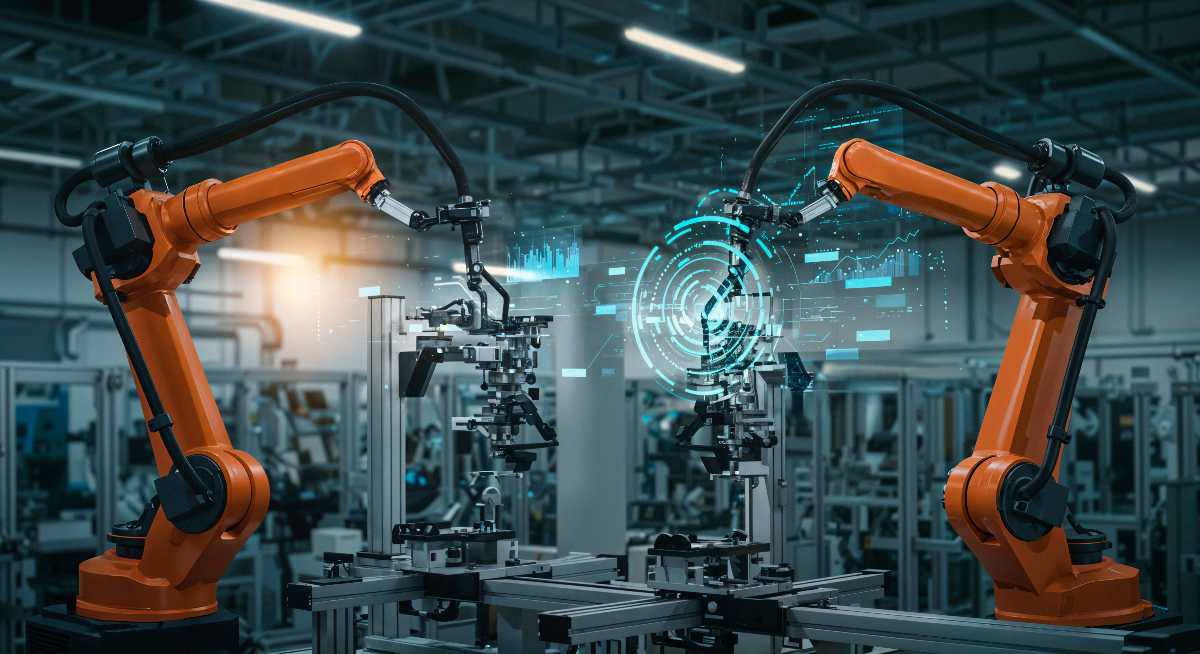 Benefits of Artificial Intelligence in Business
Businesses using artificial intelligence report increased productivity, reduced operational costs, and improved customer experience. Here are the key benefits:
- Automation of Repetitive Tasks
AI frees up human resources by handling time-consuming tasks efficiently.
- Faster Decision Making
With real-time data analysis, artificial intelligence enables quick, informed decisions.
- Better Customer Service
AI chatbots and virtual assistants provide instant support, 24/7.
- Data-Driven Marketing
AI personalises messages and recommendations, improving engagement and conversions.
- Scalability
AI tools can handle large-scale operations without compromising performance.
How AI Tools Solve Real Business Pain Points
Many small businesses and startups face common pain points: limited workforce, slow content creation, lack of personalisation, and inconsistent lead generation. Artificial intelligence offers practical solutions:
- Automated Website Creation: Launch fully optimised websites without code
- AI Copywriting: Generate SEO blogs, ads, emails, and product descriptions in seconds
- Lead Generation Automation: Qualify and nurture leads without manual effort
- AI-Powered Chatbots: Offer personalised support and reduce support tickets
- Predictive Analytics: Make smarter decisions with AI-driven insights
With artificial intelligence, even small teams can scale like enterprises.
AI in Action: Traditional Workflows vs. AI Automation
| Feature | Traditional Workflow | AI-Enhanced Workflow |
|---|---|---|
| Content Writing | Manual, 3–5 hours per post | Automated, 10–15 minutes |
| Customer Support | Human agents only | AI chatbot + human backup |
| Email Campaigns | Manual setup and segmentation | Dynamic personalization with AI |
| Lead Qualification | Time-consuming follow-ups | Instant AI-based scoring |
| Business Insights | Monthly reports | Real-time predictive dashboards |
Outcome: Businesses adopting artificial intelligence saw up to 50% improvement in productivity and 60% reduction in overhead costs.
The Future of Artificial Intelligence
The future of artificial intelligence is centred around:
- Ethical AI development
- Democratized access for all business sizes
- Voice and vision-based interfaces
- AI-human collaboration rather than replacement
- Real-time personalisation at scale
Artificial intelligence will continue to shape how we work, communicate, and innovate, becoming a core part of everyday life and business success.
Frequently Asked Questions (FAQs)
What is artificial intelligence used for today?
Artificial intelligence is used in everything from virtual assistants and fraud detection to healthcare diagnostics and personalised marketing.
How does artificial intelligence benefit small businesses?
AI helps small businesses automate repetitive tasks, reduce costs, and improve customer experience without needing large teams.
Is artificial intelligence dangerous?
While artificial intelligence brings many benefits, ethical concerns exist around data privacy, bias, and automation. Responsible use and regulation are key.
Can artificial intelligence replace human jobs?
AI can replace some repetitive roles but is often used to assist humans, enabling them to focus on higher-value tasks.
What’s the difference between AI and machine learning?
Machine learning is a subset of artificial intelligence focused on training machines to learn from data and improve over time.