The Internet of Things (IoT) is more than just a buzzword—it’s a revolutionary force transforming how we interact with devices, manage tasks, and experience the world. But what indeed powers this transformation? At its core, it’s the Physical Design of IoT. This fundamental aspect of IoT design is not just about creating functional gadgets; it’s about building an interconnected system where everything works in harmony. This post explores the critical role of physical design in the IoT ecosystem and how it contributes to creating intelligent, efficient, and user-friendly systems.
Introduction to the Physical Design of IoT
When we talk about the Physical Design of IoT, we refer to more than just the appearance of the devices. It encompasses the creation of a structured framework that enables efficient storage, access, and connection of IoT objects. It’s like constructing a seamless, intelligent ecosystem where each part complements the other. The physical design ensures that devices don’t just exist independently but communicate, collaborate, and work together to create a unified experience for users.
Why is Physical Design Important in IoT?
In the world of IoT, physical design serves as the blueprint for how devices interact with each other and the environment. Without a solid physical design, devices might not perform optimally, leading to inefficient communication and subpar user experiences.
- Efficiency: A well-designed system ensures devices can communicate quickly and reliably.
- User Experience: Proper design guarantees that users can interact with their devices intuitively, enhancing the ease of use.
- Interconnectedness: A thoughtfully designed IoT system creates a web of devices that work in sync, improving the ecosystem’s overall functionality.
In essence, physical design unlocks the true potential of IoT, ensuring devices work together seamlessly to enhance connectivity and user experience.
What Are IoT Devices and Their Roles?
In the IoT ecosystem, devices—or “things”—are the system’s building blocks. Each device has a unique identity and plays an active role in the ecosystem, whether it’s:
- Actuating: Carrying out physical actions, like turning on lights or adjusting a thermostat.
- Monitoring: Observing environmental conditions or device performance, like tracking temperature or humidity.
- Sensing: Gathering data from the environment, such as motion or pressure.
The beauty of IoT lies in its diversity, with each device contributing its unique function to the larger picture. These devices interact with one another to create an innovative environment that is responsive and adaptive to our needs.
Types of IoT Devices: A Glimpse into Their Functions
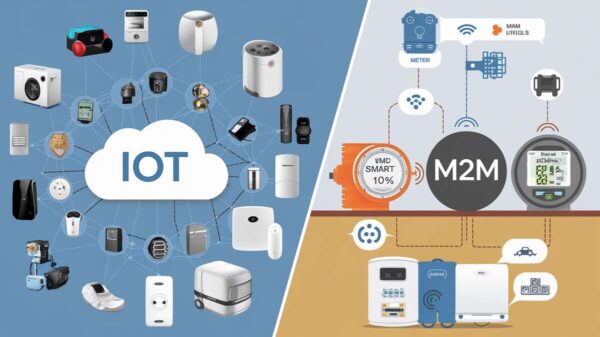
IoT devices come in many forms & serve a variety of purposes. Let’s take a look at some of the most common types:
- Smartwatches: These wearable devices monitor health metrics like heart rate, steps, and sleep patterns. They keep you connected while promoting personal well-being.
- Sensing Devices: From moisture sensors that monitor soil conditions in agriculture to air quality monitors that track pollution levels, these devices provide real-time data to enhance decision-making.
- Industrial Machines: In manufacturing, IoT-enabled machines can monitor their performance, alerting operators to any potential issues before they become problems.
IoT devices continuously work in the background, at home, in an office, or on a factory floor, optimizing tasks and improving productivity.
The Role of Node Devices in IoT
Node devices serve as the eyes and hands of the IoT system. These devices:
- Sense: Collect data from their surroundings.
- Actuate: Trigger actions based on the data they collect.
- Monitor: Keep a constant watch on their environment to detect any changes.
These tasks are what make IoT devices truly “smart.” They enable real-time responses to changes in the environment, ensuring the system remains dynamic and adaptive.
How Data is Transmitted in IoT: Wireless vs Wired Connections
One of the crucial elements of IoT is the transmission of data. Depending on the nature of the device and its application, data can be transferred in two primary ways:
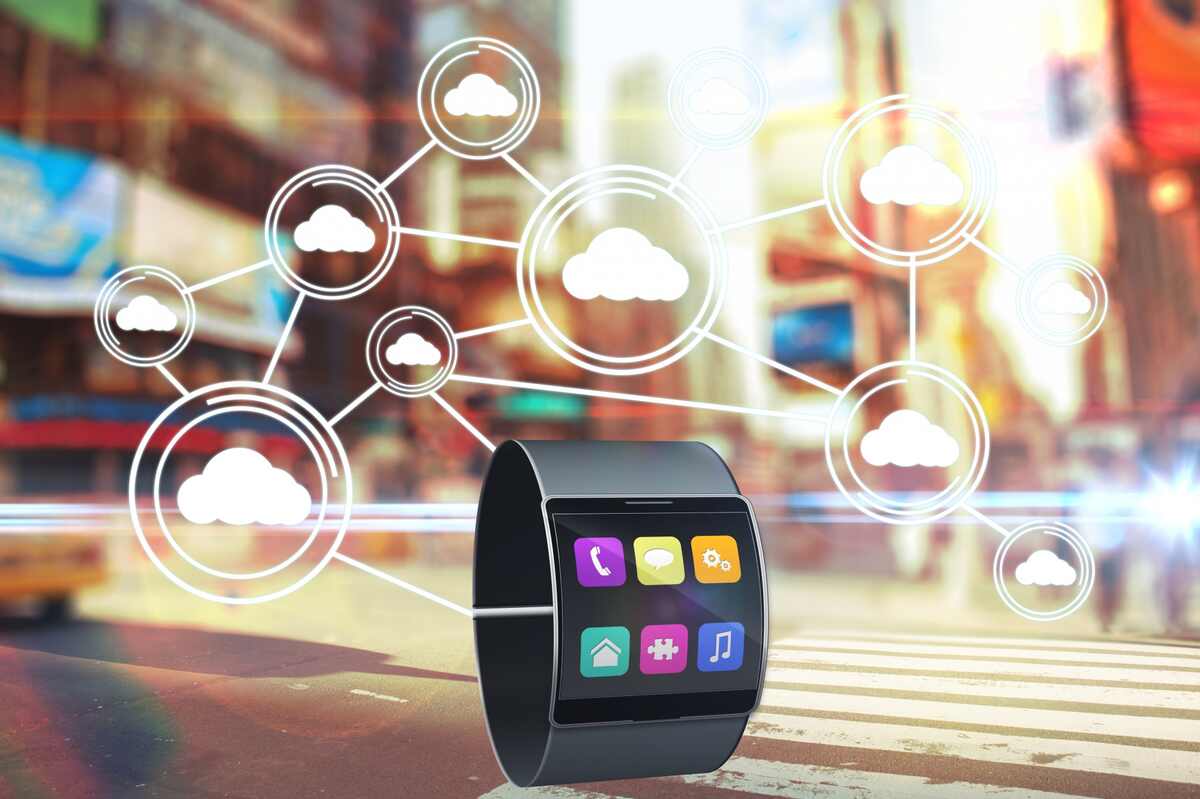
- Wireless Connections: Wi-Fi, Bluetooth, and Zigbee are standard wireless communication protocols used in IoT. They offer flexibility, scalability, and ease of integration.
- Wired Connections: Ethernet and other wired technologies are used for more stable, high-speed connections, typically in industrial applications.
Both wired and wireless connections are essential in ensuring seamless communication within the IoT ecosystem, each offering distinct advantages based on specific requirements.
The Functions of IoT Devices Within a System
IoT devices don’t just interact with each other—they create a network. This network of interconnected devices:
- Builds connections: Devices communicate with each other to share data and insights.
- Process data: IoT devices can process information, converting raw data into actionable insights.
- Provide storage: Devices also store data locally or in the cloud, ensuring the data is accessible when needed.
By building these connections and processing the data, IoT devices transform a simple task into an intelligent operation, making everyday life more efficient.
Data Generation and Analysis in IoT
IoT is fundamentally built around data generation and analysis. Devices constantly generate data, which can be analyzed to improve system performance. For example, a moisture sensor might continuously monitor soil moisture and trigger watering systems when it detects dryness.
The key is data analysis. By examining this data closely, IoT systems can make informed decisions, whether optimizing energy consumption in a building or adjusting traffic signals based on real-time conditions.
Key Characteristics of Physical Design in IoT
The physical design of IoT systems is incredibly detail-oriented. It’s like assembling a jigsaw puzzle; every component must fit perfectly. Some of the most important characteristics include:
- Attention to Detail: Every connection and setup must be carefully considered to ensure devices interact seamlessly.
- Visual Design: Diagrams, charts, and graphs are essential tools in the design process, helping simplify complex information and making it easier to understand.
- Solution-Focused: The physical design of IoT is not just about identifying problems; it’s about coming up with solutions that improve the overall user experience and system performance.
Conclusion
The Physical Design of IoT plays a critical role in shaping the future of how we interact with devices. As IoT devices become more sophisticated, the need for thoughtful, detailed design becomes even more critical. From data collection to real-time analysis, the physical design ensures that IoT devices function efficiently and work together seamlessly, enhancing users’ lives across the globe.
By focusing on the intricacies of physical design, we can ensure a future where IoT devices are more than just gadgets—powerful tools that work harmoniously to make our world more intelligent, efficient, and connected.