The ability to control a miniature flying machine is nothing short of enchanting. But how high can a drone fly before it encounters regulatory or technical ceilings? Whether operated for leisure, enterprise, or defence, the altitude at which a drone can legally or physically ascend varies greatly depending on its classification, geographical location, and the purpose for which it is deployed. This article explores those layers of limitations, permissions, and technological feats while ensuring optimal alignment with reader intent and current SEO expectations.
A Look at Drone Altitudes
Today, drones span a diverse spectrum, from palm-sized toys to autonomous aircraft capable of transcontinental surveillance. Each category carries with it an intrinsic ceiling—both literal and legislative.
Toy Drones
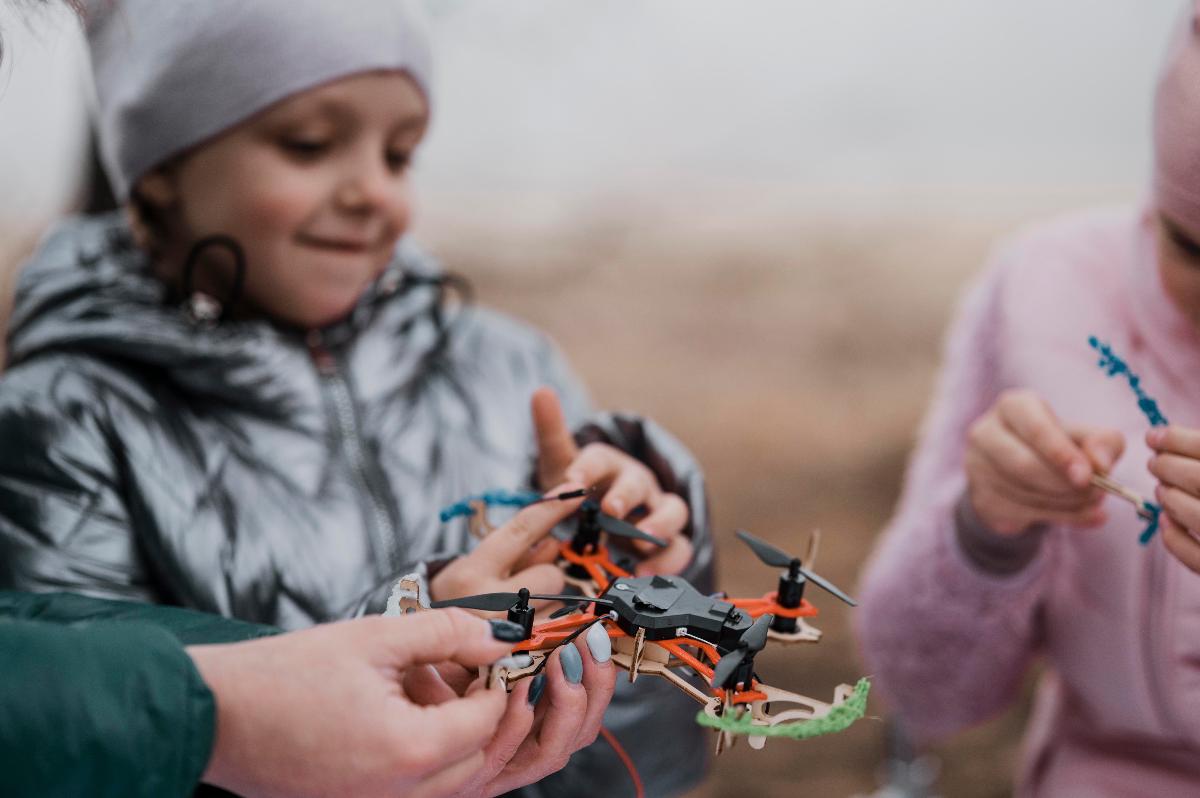
Small in stature and designed primarily for indoor or backyard use, toy drones typically operate between 60 and 300 feet in altitude. These low-elevation flyers are governed by minimal power capabilities and safety prioritisation. Their operational simplicity is precisely what makes them ideal for beginners and children. These machines often remain within visual line-of-sight (VLOS), inherently discouraging overambitious altitude experiments.
Key Characteristics:
- Lightweight plastic construction
- Short battery life
- Limited navigation systems
- No GPS or advanced flight stabilization
 Mid-Range Consumer Drones
 Mid-Range Consumer Drones
This is the golden middle, where most hobbyists dwell. Drones like the DJI Mini 4 Pro or Autel EVO Lite+ can theoretically ascend well beyond 400 meters (1,312 feet)—in some cases, close to 3 kilometres (9,842 feet). However, legal limitations truncate that potential.
Under FAA guidelines, these drones are legally capped at 400 feet (122 meters) AGL (Above Ground Level) unless granted special waiver permissions.
Technological Capabilities:
- Advanced camera systems (4K resolution and higher)
- Real-time transmission
- Obstacle avoidance
- GPS-based geofencing
High-End Commercial Drones
Professional drones designed for industrial, agricultural, and search-and-rescue applications are true marvels. The DJI Matrice 300 RTK or Freefly Alta X can ascend between 4,500 and 6,000 meters (15,000 to 20,000 feet).
These machines are not only powerful but intelligent, offering:
- RTK (Real-Time Kinematic) GPS positioning
- Multispectral and thermal imaging
- Lidar sensors
- Redundant systems for fail-safe operation
Their operation is usually restricted to licensed pilots, and flights above the 400-foot ceiling are conducted with pre-approved FAA waivers in the U.S. or similar permissions from civil aviation authorities worldwide.
Military Drones
Defence forces use Unmanned Aerial Vehicles (UAVs) that are subject to entirely different airspace protocols. Drones such as the Northrop Grumman RQ-4 Global Hawk operate at altitudes exceeding 60,000 feet (over 18 kilometres). These devices are engineered for surveillance, intelligence gathering, and strategic deployment across vast terrains.
Military Drone Features:
- Satellite communication
- Autonomous navigation
- Stealth technology
- Endurance flights lasting over 30 hours
Understanding the Rules of the Sky
Despite certain drones’ technological capacity to reach staggering altitudes, the overriding concern is airspace safety. The Federal Aviation Administration (FAA) imposes a 400-foot ceiling for most unmanned aerial systems (UAS) operating recreationally in the United States.
This threshold exists primarily to prevent conflict with human-crewed aircraft, particularly helicopters and low-flying planes. The limitation is not arbitrary but stems from thousands of incident reports and airspace safety assessments.
Other countries maintain similar standards:
- UK (CAA): 400 feet
- Canada (Transport Canada): 400 feet
- Australia (CASA): 120 meters
When flying above 400 feet, a commercial pilot must file for FAA Part 107 waivers or equivalent permissions, proving the necessity, operational plan, and safety protocols in place.
 How High Can a Drone Fly at Night?
 How High Can a Drone Fly at Night?
Night flight introduces additional risk vectors, even if altitude rules remain unchanged. In the U.S., the FAA mandates:
- Maximum 400 feet AGL, regardless of the time of day
- Anti-collision lighting visible for three statute miles
- Night operations training for remote pilots
In Europe, EASA regulations mirror this approach. Some jurisdictions may also restrict nighttime drone operations in urban or wildlife-protected zones, making it imperative to consult local laws before flying.
Safety Considerations for High-Altitude Drone Flights
Ascending beyond the recommended limits can quickly escalate into a hazardous endeavour. Key risks include:
- Collision risk with human-crewed aircraft
- Signal loss due to extreme elevation
- Rapid battery depletion at colder, higher altitudes
- Visual impairment, compromising VLOS requirements
Best Practices:
- Enable return-to-home functions
- Perform pre-flight checklists
- Use weather apps and NOTAM alerts
- Invest in drones with geofencing capabilities
Pushing the Boundaries: Record-Breaking Drone Flights
For every rule, there is an exception engineered for the extraordinary. The current record-holder for the highest altitude drone flight is the Zephyr, a solar-powered UAV developed by Airbus, which reached an altitude of 76,100 feet (23,195 meters) in 2021.
Other notable mentions:
- DJI Mavic Pro recorded 16,000 feet in controlled conditions
- FPV racing drones have reached speeds over 100 mph while remaining within altitude limits
These examples highlight the innovative zenith of drone technology but should never be attempted without extensive planning and legal authorization.
Choosing the Right Drone and Flying Responsibly
Whether you’re captivated by aerial photography or agricultural mapping, selecting a drone with the correct specifications—and adhering to its operational parameters—ensures both performance and compliance.
Things to Consider:
- Altitude capacity
- Payload weight
- Flight time
- Built-in safety features
- Compatibility with local regulations
A purpose-driven selection strategy can drastically reduce your risk profile and enhance your flying experience.
Final Thoughts
The question “How high can a drone fly?” has answers that span from modest backyard heights to near-space expeditions. Yet, the more meaningful takeaway is not about height but responsibility. As drones evolve, so must our commitment to fly safely, legally, and intelligently.