Blockchain technology is revolutionizing how we think about data security, transparency, and decentralized systems—initially popularized by cryptocurrencies like Bitcoin, blockchain’s potential stretches far beyond digital currencies, impacting industries such as supply chain management, healthcare, real estate, and even art. But What is Blockchain Technology, and how is it reshaping sectors beyond cryptocurrency?
Understanding Blockchain Technology
At its core, blockchain is a decentralized, digital ledger distributed across a network of computers. Each block in this chain holds data, and once information is added, it cannot be altered or tampered with, making it a secure method for tracking transactions and assets. This decentralized ledger system removes need for intermediaries, similar as banks or other centralized institutions, thereby enhancing transparency and trust.
While cryptocurrency is often people’s first association with blockchain, the technology has far-reaching implications. Let’s explore five groundbreaking blockchain use cases that are transforming industries worldwide.
Blockchain in Supply Chain Management
One of most prominent applications of blockchain technology lies in supply chain management. Traditional supply chains often involve multiple parties, each with its database. This can lead to inefficiencies, inaccuracies, lack of transparency. Blockchain technology solves these problems by creating shared, immutable ledger that all parties can access.
Retail giants like Walmart are already utilizing blockchain to track movement of goods from manufacturers to consumers, ensuring transparency and reducing the chances of fraud or errors. This system allows businesses to trace the origin of products, enhance accountability, and streamline operations, making it easier to identify potential disruptions in the supply chain.
Blockchain for Secure Identification and Document Management
Imagine having all your important documents—birth certificates, social security cards, and medical records—securely stored in one place, protected from unauthorized alterations. With blockchain technology, this is becoming reality.
Blockchain offers secure way to store & verify identification records. During the Syrian refugee crisis, blockchain was used to record identities and manage financial aid securely. This allowed refugees to access resources without bureaucratic hurdles, ensuring their identities and benefits were easily verified.
In the future, blockchain could become the go-to technology for managing personal documents, offering individuals a simple way to access their information whenever needed, anywhere in the world.
Blockchain in Healthcare: Enhancing Patient Data Management
The healthcare industry is another field that stands to benefit significantly from blockchain technology. Patient records are often scattered across multiple providers, leading to inefficiencies, duplication of tests, and privacy concerns. Blockchain addresses these issues by providing decentralized system where healthcare providers can securely store and share patient data.
Blockchain technology ensures that patient records are tamper-proof, enhancing data integrity. By leveraging blockchain, medical professionals can track treatments, medication histories, and insurance claims in real time, ensuring the seamless flow of information. This is especially important when dealing with sensitive health data, where security and privacy are paramount.
Real Estate and Tokenization: Redefining Asset Ownership
Blockchain technology is also making waves in the real estate sector by enabling the tokenizing of real-world assets. Tokenization refers to converting tangible assets—such as property, art, or intellectual property—into digital tokens. This allows for fractional ownership, making it easier for individuals to invest in high-value assets without needing significant capital.
The tokenization of assets can increase liquidity, improve transparency, and broaden access to real estate investments. Major financial players like BlackRock and Visa are already exploring this new frontier. According to a report by McKinsey & Company, tokenized assets could reach a market value of nearly $2 trillion by 2030, demonstrating the immense potential blockchain has to transform traditional markets.
Non-Fungible Tokens (NFTs): Redefining Digital Ownership
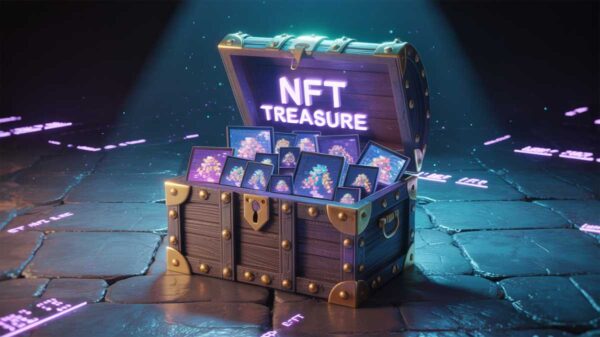
In world of digital art, NFTs (non-fungible tokens) have exploded in popularity. An NFT is unique digital asset stored on blockchain, which proves ownership and authenticity. Unlike fungible cryptocurrencies, which can be exchanged one-for-one, NFTs are one-of-a-kind items.
NFTs have been used to buy and sell digital art, music, and even virtual real estate. For example, CryptoPunk #5822, a digital artwork created by Larva Labs on the Ethereum blockchain, sold for $23 million in 2022. While paying millions for a digital image may seem perplexing, NFTs are essential for creators to protect their intellectual property in digital world.
Blockchain technology, through NFTs, offers a way for artists and creators to claim ownership over their digital creations, ensuring that their work cannot be duplicated or stolen.
Conclusion
Blockchain technology is more than just foundation for cryptocurrency. It is a powerful tool transforming industries by providing secure, transparent, and decentralized solutions. Blockchain’s potential is vast and ever-expanding across industries like supply chain management, healthcare, real estate, and digital art. As the technology matures, its influence will continue to grow, reshaping how we think about data security, ownership, and financial transactions.