In recent years, the Internet of Things (IoT) has transformed how we interact with technology. IoT provides groundbreaking solutions that make life more efficient, safer, and smarter, from smart homes to connected healthcare. Among the most impactful uses of IoT is IoT remote monitoring, a technology that enables users to monitor & manage systems from anywhere at any time. This blog will explore what IoT remote monitoring is, its applications, and how it’s reshaping industries across the globe.
What is IoT Remote Monitoring?
IoT remote monitoring refers to the use of connected devices and sensors to track the status and performance of a system or asset from a distance. These systems gather real-time data and send it to a centralized platform, often through the Internet or wireless networks. Users can access data remotely through a mobile app, web portal, or any other device with internet access. The real-time monitoring of various parameters similar as temperature, pressure, humidity, and other key metrics makes it possible to detect issues, take preventive actions, and enhance operational efficiency.
Key Components of IoT Remote Monitoring Systems
An IoT remote monitoring system is typically composed of several key components:
- Sensors and Devices: These collect data on specific parameters like temperature, humidity, pressure, or motion. They can be placed in different environments or assets for constant monitoring.
- Connectivity: IoT systems rely on various connectivity options such as Wi-Fi, Bluetooth, LoRaWAN, and cellular networks to transmit data from the sensors to the central platform.
- Data Analytics and Cloud Storage: Once the data is transmitted, it is processed and analyzed on-site or in the cloud to extract meaningful insights. The cloud-based storage ensures the data is safe, scalable, and accessible anytime.
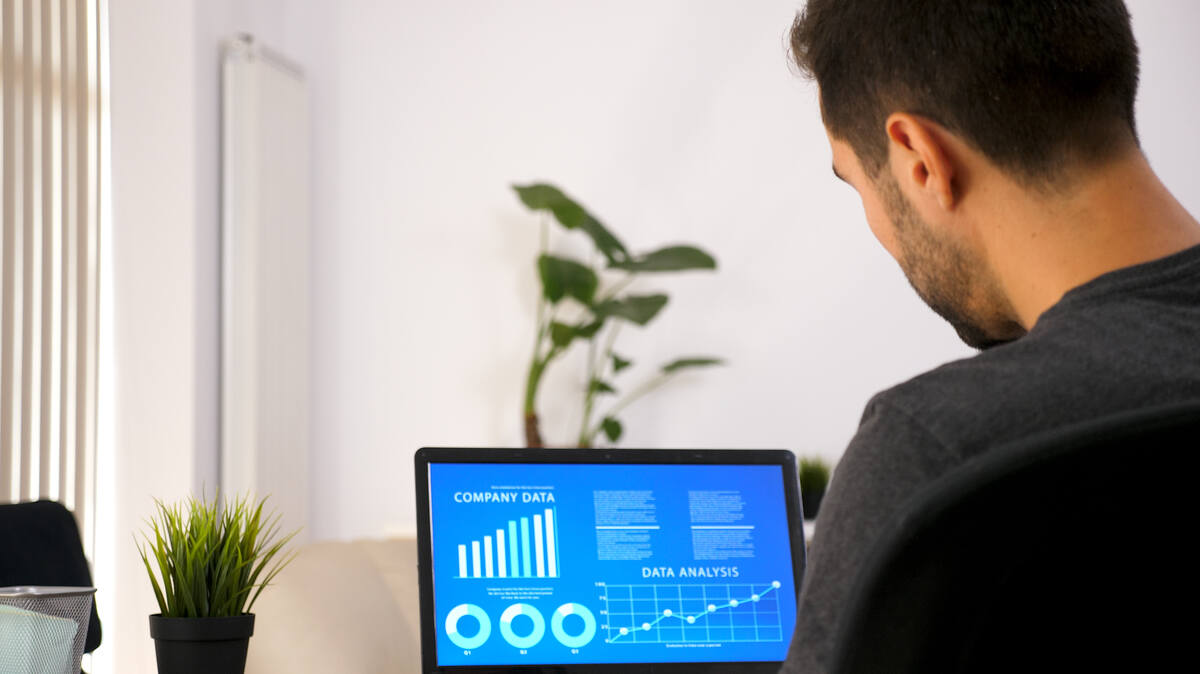
- User Interface: A mobile app or a web dashboard permits users to monitor status of their assets and systems, view data trends, and receive alerts when something goes wrong.
- Actionable Insights and Alerts: Advanced IoT remote monitoring systems track real-time data and provide actionable insights, predictive analytics, and automated alerts. These alerts can inform users of potential system failures or performance anomalies, enabling proactive maintenance or corrective actions.
Applications of IoT Remote Monitoring
The versatility of IoT remote monitoring spans various industries. Here are a few areas where this technology is making a significant impact:
1. Smart Homes and Buildings
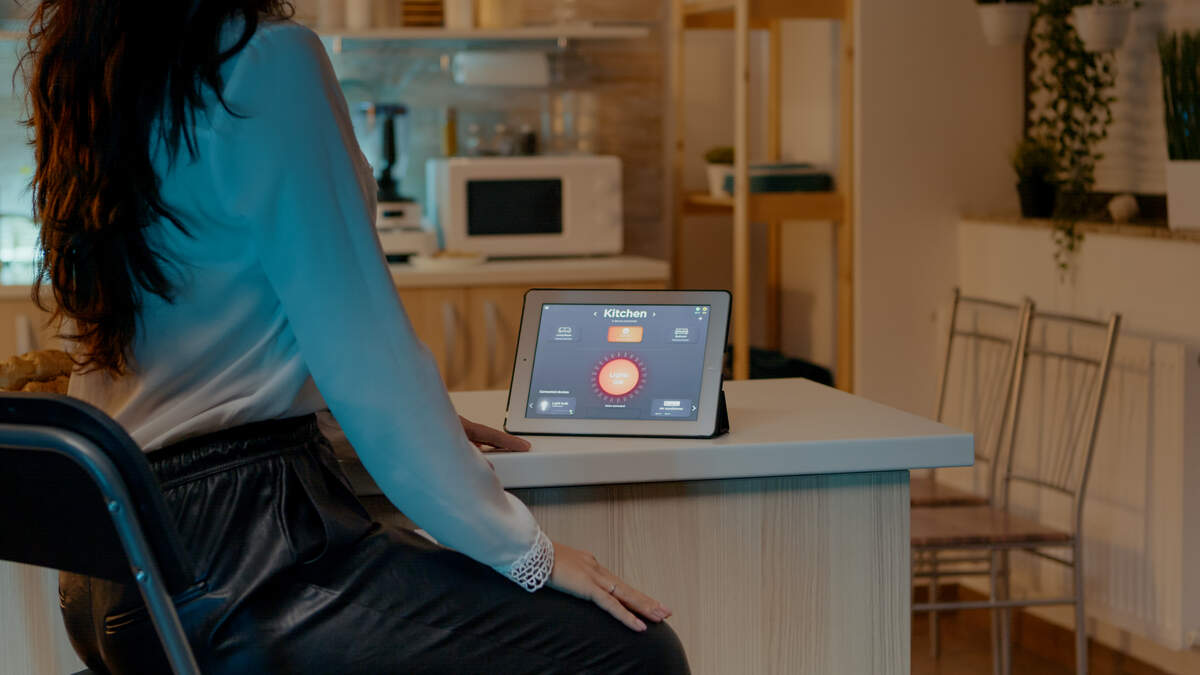
In the world of smart homes, IoT remote monitoring allows homeowners to control and monitor various devices and systems, such as heating, lighting, security, and appliances, from anywhere. For example, smart thermostats can adjust temperature of a home based on the occupant’s preferences or detect when no one is at home and adjust energy usage accordingly. Similarly, smart security cameras and motion sensors can provide live feeds and alert homeowners about potential security threats, even when they are miles away.
Benefits:
- Energy savings through optimized systems.
- Enhanced security with remote surveillance.
- Increased convenience and control for users.
2. Healthcare and Telemedicine
In healthcare, IoT remote monitoring plays a crucial role in patient care. Wearable devices like heart rate monitors, glucose trackers, and fitness bands allow healthcare providers to track a patient’s vital signs remotely. This constant monitoring ensures that patients receive the right care, even from the comfort of their homes. This technology is a game-changer for patients with chronic conditions, reducing hospital visits and enhancing quality of life.
Benefits:
- Continuous monitoring of vital health parameters.
- Reduced need for frequent in-person doctor visits.
- Better management of chronic diseases through real-time data.
3. Industrial Automation
Industrial applications of IoT remote monitoring are transforming the way factories and plants operate. Sensors monitor machinery performance, detect anomalies, and predict when maintenance is needed. By analyzing the data remotely, factory operators can minimize downtime, prevent costly breakdowns, and improve operations efficiency. This concept, often called “predictive maintenance,” reduces risk of equipment failure & extends the lifespan of machinery.
Benefits:
- Reduced downtime through predictive maintenance.
- Optimized resource management.
- Increased operational efficiency.
4. Agriculture and Farming
In agriculture, IoT remote monitoring is revolutionizing farming practices. Sensors in field can monitor soil moisture levels, temperature, and nutrient content. Farmers can receive real-time updates and insights, allowing them to optimize irrigation schedules, apply fertilizers more effectively, and monitor crop health. This remote monitoring helps farmers make data-driven decisions that improve crop yields and reduce wastage.
Benefits:
- Improved crop yields through optimized resource usage.
- Real-time monitoring of field conditions.
- More sustainable farming practices by reducing water and pesticide usage.
5. Fleet Management and Logistics
IoT remote monitoring offers real-time tracking of vehicles, equipment, and cargo for businesses that rely on fleet management. GPS-enabled devices provide live location data, while sensors monitor fuel levels, engine performance, and tire pressure. Fleet managers can track each vehicle’s status and ensure that operations run smoothly. Moreover, IoT systems can predict when vehicles are due for maintenance, reducing the chances of breakdowns and improving fleet efficiency.
Benefits:
- Real-time tracking of fleet assets.
- Enhanced route planning and fuel optimization.
- Improved maintenance scheduling and reduced downtime.
6. Environmental Monitoring
Environmental monitoring is another critical area where IoT remote monitoring is being applied. Sensors deployed in various locations can monitor environmental parameters similar as air quality, water quality, & temperature. This data is vital for cities, governments, and environmental organizations to understand pollution levels, track climate change, and take action to protect natural resources.
Benefits:
- Real-time tracking of environmental conditions.
- Early detection of potential environmental hazards.
- Better decision-making for policy and regulation enforcement.
The Future of IoT Remote Monitoring
As IoT technologies evolve, IoT remote monitoring will become more sophisticated & integrated into our daily lives. The proliferation of 5G networks and advancements in artificial intelligence (AI) and machine learning (ML) will lead to even more intelligent and efficient systems.
- Predictive analytics will become more accurate, allowing businesses and individuals to forecast issues before they occur.
- Edge computing will reduce latency by processing data closer to the source, enhancing real-time monitoring capabilities.
- Automation will play a significant role, with systems taking autonomous actions based on insights gathered from remote monitoring.
Conclusion
The impact of IoT remote monitoring is far-reaching and holds the potential to reshape the way we manage systems, operations, and assets. From healthcare & agriculture to smart homes & industrial applications, the ability to monitor systems remotely increases efficiency and provides new opportunities for optimization and innovation. As IoT technologies mature, the future looks promising, with enhanced capabilities to make our world smarter, safer, and more sustainable.