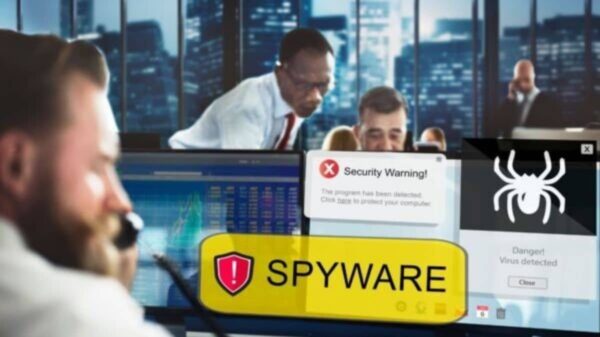
In today’s digital-first era, cybersecurity isn’t just a technical battle — it’s a strategic discipline. Governance, Risk Management, and Compliance (GRC) serve as the backbone of modern cybersecurity, ensuring organizations not only defend against attacks but also align security practices with business goals and legal obligations.
Think of GRC cybersecurity as the GPS for your organization’s security journey — it helps navigate through complex terrains of regulations, cyber threats, and corporate accountability. Instead of reacting to incidents, businesses adopting a GRC-driven model predict, prevent, and proactively manage risks.
This intelligent alignment between governance, risk, and compliance ensures your business remains resilient, trustworthy, and ready to face an evolving threat landscape. To learn more about the fundamentals of protection and resilience, explore our Cybersecurity insights hub.
What Is GRC Cybersecurity?
GRC cybersecurity integrates three vital pillars:
- Governance: Establishing structure, authority, and accountability in cybersecurity operations.
- Risk Management: Identifying, analyzing, and mitigating potential threats.
- Compliance: Ensuring adherence to laws, standards, and regulations.
These functions combine to create a unified approach that turns cybersecurity into a business enabler — not just a defensive measure. You can dive deeper into GRC cyber security to understand how governance frameworks and risk intelligence strengthen organizational security.
 The Role of GRC in Cybersecurity Risk Management
 The Role of GRC in Cybersecurity Risk Management
Effective cybersecurity begins with understanding vulnerabilities. GRC frameworks enable organizations to identify potential threats such as phishing, ransomware, insider risks, or data leaks.
Once identified, risk assessment determines the likelihood of those threats occurring and their potential impact. This data-driven insight allows leaders to prioritize remediation efforts and allocate resources effectively. For a complete view of today’s attack vectors, read our guide on Cybersecurity Threats.
Frameworks and Components of GRC Cybersecurity
Several globally recognized frameworks guide organizations in building robust GRC systems. Each serves as a roadmap for managing policies, risk, and compliance effectively.
Common GRC Frameworks
- COBIT (Control Objectives for Information and Related Technologies) — Focuses on governance and IT management.
- ISO/IEC 27001 — Provides a structured approach to information security management systems (ISMS).
- NIST Cybersecurity Framework (CSF) — Offers standards and best practices for managing cybersecurity risks.
For an in-depth external overview, you can refer to What Is GRC in Cybersecurity.
Governance in GRC Cybersecurity
Governance acts as the foundation of every cybersecurity strategy. Organizations must establish clear authority lines, defined decision-making bodies, and established accountability mechanisms.
Once governance is established, policies and procedures must follow. These define how the organization secures data, responds to incidents, and enforces compliance. Regular updates are essential as new threats, technologies, and regulations emerge.
You can explore how strong leadership and frameworks ensure resilience in our Cybersecurity Certification Roadmap guide — especially for professionals looking to formalize governance expertise.
Risk Management in GRC Cybersecurity
The first step in risk management is identification — knowing your threat landscape. From ransomware to zero-day exploits, GRC systems document potential vulnerabilities and track their evolution over time.
Then comes analysis, where each risk is rated by probability and impact. This allows organizations to focus on what matters most. Ongoing monitoring ensures new risks are detected early and mitigated promptly.
Learn how enterprises use AI and automation to predict risks in our resource on AI Cybersecurity Solutions for Business.
Compliance in Cybersecurity
 Compliance in Cybersecurity
Every industry faces specific regulations that define how to handle sensitive data — such as HIPAA, GDPR, or PCI DSS. Staying compliant prevents legal issues, avoids fines, and builds customer trust.
Aligning with recognized standards, such as ISO 27001 or SOC 2, ensures security maturity and demonstrates your commitment to client data protection.
Documentation is critical. A clear audit trail proves compliance and simplifies internal reviews. To establish a compliance-oriented security culture, refer to our Cybersecurity Roadmap for Businesses.
Integrating GRC with Business Objectives
Cybersecurity should support business growth — not restrict it. Aligning GRC with organizational goals ensures that risk management and compliance strategies enable agility and flexibility.
When done right, GRC cybersecurity helps accelerate digital transformation safely, enables secure adoption of cloud and AI technologies, and builds customer trust. To understand how AI fits into this ecosystem, visit our Artificial Intelligence Hub.
Tools and Technologies Empowering GRC Cybersecurity
Modern GRC tools streamline complex tasks, including risk analysis, audit management, and compliance tracking.
Key Categories of Tools
- GRC Platforms — Integrated systems that automate governance, risk, and compliance workflows.
- Risk Assessment Software — Tools like Archer or LogicGate that provide risk visualization and scoring.
- Audit and Reporting Tools — Automate evidence collection and documentation.
Explore related automation tools that enhance these processes on our Technology Page.
GRC in Cloud Cybersecurity
With the shift to cloud infrastructure, GRC becomes even more vital.
Organizations must understand the shared responsibility model, where both cloud providers and customers hold security obligations. GRC helps clarify accountability and reduces gaps that lead to breaches.
To strengthen your cloud defense approach, see our insights on AI in Cybersecurity and how machine learning enables proactive governance.
Continuous Improvement and Evolution of GRC
Cyber threats evolve daily — and so must your GRC framework. Regularly review and enhance governance policies, risk models, and compliance mechanisms.
Use real-time monitoring and AI-driven analytics to detect early warning signs of risk. Encourage collaboration between departments to ensure everyone contributes to ongoing improvement.
Why is Crypto Market Down Today? – A Strategic Lens
Though not directly part of GRC cybersecurity, understanding why Crypto Market Is Down Today offers insights into how governance, risk, and compliance interplay in volatile ecosystems.
- Governance shock: Regulatory crackdowns often trigger panic.
- Risk reevaluation: As new vulnerabilities or laws emerge, capital withdraws.
- Compliance failure: Projects unable to comply lose credibility or face shutdown.
Tracking crypto markets through a GRC lens helps organizations anticipate similar governance failures before they cause financial or reputational damage.
Conclusion
Implementing GRC cybersecurity is no longer optional — it’s foundational for sustainable growth and trust. It ensures that security, governance, and compliance operate together, supporting your business objectives instead of hindering them.
As threats evolve, emerging tools like AI, automation, and machine learning will strengthen GRC frameworks by predicting risks and simplifying compliance at scale.
In a world where cyber risks shift faster than ever, GRC cybersecurity is your guiding compass — a structured, intelligent, and adaptive system that safeguards your organization’s future.