In 2025, a new breed of phishing scams is emerging—more sophisticated, subtle, and far more dangerous than ever. Cybercriminals are increasingly using advanced social engineering tactics to exploit routine online behaviors, manipulating even the most tech-savvy users into falling for scams. This shift marks the rise of what is now called “Scam Yourself” attacks. Understanding how these attacks work and how to protect yourself is crucial in this evolving digital landscape.
What Are Phishing Scams and “Scam Yourself” Attacks?
Phishing scams are deceptive tactics cybercriminals use to trick individuals into revealing sensitive information similar as passwords, credit card details, other personal data. In traditional phishing attacks, a fraudulent email or website lures victims into clicking on malicious links or providing their information.
However, cybercriminals take this deception further in “Scam Yourself” attacks. Rather than directly asking you for your information, they manipulate your behavior to make you perform the malicious actions yourself. This could be anything from clicking on a seemingly legitimate link to executing a hidden command or completing a task that compromises your system.
These phishing scams are hazardous because they don’t rely on obvious red flags like misspelled words or suspicious sender addresses. Instead, they work within the boundaries of your regular, everyday digital interactions, making them harder to detect.
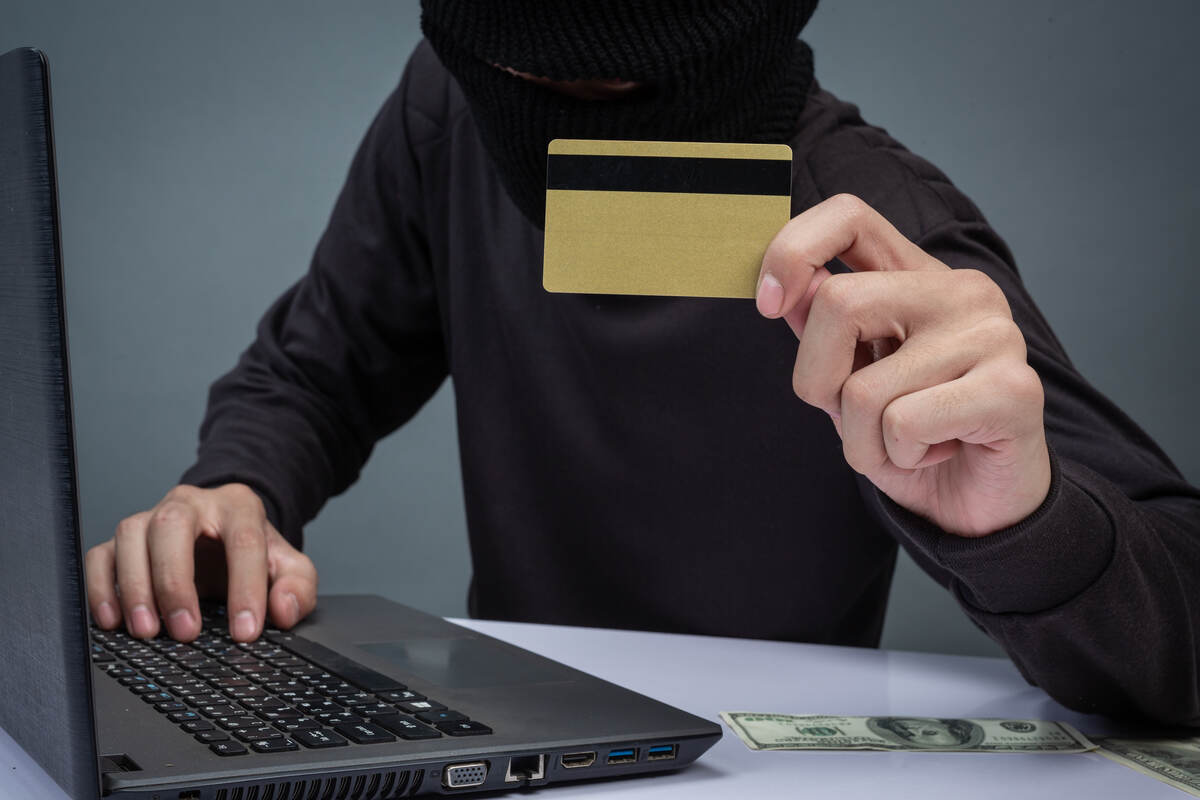
How Do “Scam Yourself” Attacks Work?
At the heart of these attacks lies psychological manipulation. Hackers know how to exploit our online behaviors and routines, leading us to trust interactions that, on the surface, seem entirely normal. Let’s take a look at some standard methods used in these advanced phishing scams:
Exploiting Routine Actions
We’ve all been there: we see a familiar pop-up or request and instinctively click “Accept” without second-guessing it. Attackers know that these routine actions—like agreeing to a CAPTCHA or installing a software update—are prime opportunities to trick us. In “scam yourself” tactics, these innocuous prompts may contain hidden malicious code that we unknowingly activate.
Overloading with Information
Sometimes, cybercriminals overwhelm victims with complex instructions, technical jargon, or multiple steps. The aim is to confuse and push users into following commands without thoroughly reading or understanding them. Just like when you’re handed an IKEA furniture manual and may skip a few steps, phishing scams thrive on the tendency to act impulsively.
Imitating Authority
One of the most dangerous tactics in phishing scams is the imitation of trusted brands. Whether it’s a fake Microsoft alert or a phony Google warning, we tend to follow instructions that appear to come from a legitimate source. These scams leverage our innate trust in recognizable companies to lead us into performing harmful actions.
Creating a False Sense of Urgency
You’ve likely received an email that demands urgent attention—perhaps something like “Critical update required!” or “Your account will be suspended if you take action.” This sense of urgency triggers our natural fear of missing out, often leading us to make quick decisions without pausing to verify the authenticity of the request.
The Psychology Behind Phishing Scams
Phishing scams, especially those that manipulate us into “scamming ourselves,” are carefully designed to exploit our psychological biases:
- Default Bias: We tend to click the default option, such as “Accept” or “OK,” without fully thinking about it.
- Ambiguity Effect: When faced with uncertainty, we tend to favor familiar solutions, even if they aren’t safe.
- Authority Bias: We trust authoritative figures or brands, making us more likely to follow their instructions.
- Urgency and Scarcity: Cybercriminals create a false sense of urgency, pushing us to act impulsively and without caution.
By understanding these psychological triggers, we can recognize when we are being manipulated & take steps to protect ourselves from these highly effective phishing scams.
Defending Against “Scam Yourself” Attacks
Protecting yourself from phishing scams doesn’t always require complex security measures or advanced technology. The most effective defense is often cultivating healthy skepticism and returning to basic cybersecurity principles. Here are some steps you can take:

Pause and Verify
Before clicking on any link or accepting any request, take a moment to verify its authenticity. If you receive a pop-up or request that seems unusual, double-check with the source, whether it’s through their official website or a trusted contact.
Enable Two-Factor Authentication (2FA)
Adding another layer of protection with two-factor authentication can stop unauthorized access to your accounts, even if you accidentally fall for a scam.
Double-Confirmation for Critical Actions
Like engineering, having a checklist or a second confirmation for crucial actions—such as logging into sensitive accounts or updating software—can prevent costly mistakes.
Be Cautious of Urgency
A request that seems too urgent or demands quick action is often a sign of a phishing scam. Take a step back and give yourself time to analyze the situation before proceeding.
Educate Yourself and Others
Keep up-to-date with the latest phishing scams and train yourself to recognize subtle signs of “scam yourself” attacks. The more informed you are, the less likely you will fall victim to these tricks.
Conclusion
The rise of phishing scams in 2025 signals a new era in cybersecurity threats. As cybercriminals become more adept at using psychological manipulation to deceive even most cautious users, it’s more important than ever to be vigilant. By understanding how these attacks work and implementing basic defenses, you can protect yourself from falling victim to “scam yourself” tactics and other forms of online fraud.