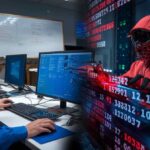
In today’s threat-filled digital landscape, organizations need more than traditional firewalls and antivirus software to stay secure. They need innovative, responsive, and adaptive security infrastructures. That’s where the fusion of SOC for Cybersecurity and emerging agent-based AI systems comes into play.
This post explores how this powerful combination reshapes how businesses defend their networks—offering faster response times, automated protection, and enhanced threat visibility. Whether you’re a solo founder or scaling a digital-first company, this insight can help you future-proof your security model.
What Is a SOC and Why Is It Critical?
A Security Operations Center (SOC) is a centralized hub where cybersecurity experts monitor, analyze, and respond to incidents across an organization’s systems. It is the nerve centre for digital defence, equipped with real-time tools and processes to detect and contain threats.
Core Functions:
- Continuous monitoring of networks and endpoints
- Analysis of threat patterns and indicators
- Incident response and containment
- Regulatory compliance tracking
- Real-time alerting and forensic analysis
SOC for Cybersecurity are essential for ensuring that even the most subtle anomalies don’t go unnoticed. But today’s threats require more than human vigilance—they demand intelligent automation.
 What Are Agentic AI Systems?
 What Are Agentic AI Systems?
Agentic AI refers to systems capable of acting independently to accomplish defined goals. Unlike basic machine learning tools that need human input for every action, agent-based AI can plan, learn, and adapt as it performs tasks, making it ideal for cybersecurity applications.
These systems can:
- Monitor traffic patterns
- Detect deviations from baselines
- Trigger pre-programmed or adaptive responses
- Orchestrate mitigation processes without delay
Their ability to work without constant supervision makes them a perfect match for SOC environments.
Why Combining SOC and Agentic AI Matters
When combined, SOCs and intelligent agents offer a dynamic, responsive, and adaptive security posture. This fusion solves many problems that plague traditional setups, such as alert fatigue, manual triage, and delayed response times.
Benefits Include:
1. Real-Time Automation
AI agents can instantly identify threats and trigger automated scripts to neutralize them—without waiting for human review.
2. Smarter Detection
They can detect anomalies that signature-based systems miss, including unknown malware, lateral movement, or insider threats.
3. Reduced Workload for Analysts
By handling routine alerts and triage, these agents free up human analysts to focus on strategy, compliance, and threat intelligence.
4. Scalable Security
As businesses grow and data volume increases, AI-driven systems allow SOC for Cybersecurity to maintain high levels of protection without proportionally scaling human teams.
How Modern Digital Tools Make Advanced Cybersecurity Accessible
Smaller businesses and entrepreneurs face a significant challenge implementing high-end security without deep technical knowledge or massive budgets. Fortunately, today’s platforms offer solutions that solve this pain point.
 Here’s how:
 Here’s how:
Website Platforms with Built-In Protection
Some platforms offer website builders with auto-enabled security features, such as SSL encryption, form validation, and bot protection.
Automation That Learns
Tools are now available that automatically scan for vulnerabilities, detect suspicious behaviour, and respond instantly—no coding required.
Real-Time Lead and Data Monitoring
Digital business tools can track user behaviour while protecting customer data. They alert you to suspicious activity & offer automated reporting to ensure compliance with industry regulations.
These solutions empower non-technical founders to build security into their businesses from day one.
Startup Scenario: AI-Driven SOC in Action
A growing eCommerce brand was regularly facing credential-stuffing attacks and phishing attempts. With limited resources, it needed an affordable but reliable way to defend its digital assets.
What They Did:
- Set up a basic SOC for Cybersecurity using accessible cloud tools
- Integrated AI agents for monitoring login activity and scanning code for vulnerabilities
- Used automated workflows to lock accounts and send alerts upon suspicious activity
Outcome:
- 75% reduction in successful attack attempts
- Faster incident response (from 2 hours to under 10 minutes)
- Improved customer trust due to secure transactions
This is a clear example of how intelligent systems combined with lean cybersecurity practices can deliver enterprise-level protection—without enterprise budgets.
Will Agentic AI Replace Human Security Analysts?
While autonomous AI can take over repetitive tasks, strategic decision-making, policy development, and ethical considerations still require human judgment. The future lies in collaboration, not replacement.
Security professionals will continue to define goals, interpret context, and make high-level decisions while intelligent agents handle the data-heavy operational work.
Final Thoughts
Cybersecurity is no longer optional—it’s foundational. The fusion of SOC for Cybersecurity frameworks with autonomous, intelligent AI brings a new era of protection, especially valuable for digital businesses seeking scalable, innovative solutions.
Frequently Asked Questions (FAQs)
What does SOC for Cybersecurity stand for?
SOC for Cybersecurity stands for Security Operations Center, a facility that monitors and manages security threats in real-time.
What makes agentic AI different from regular automation?
Agentic AI acts autonomously and adapts to new situations using reasoning and learning, while regular automation follows static rules.
How can I get started with these technologies as a small business?
Look for platforms that offer AI-powered website security, automation, and user behaviour tracking—without requiring coding skills.
Are these solutions affordable?
Many modern tools offer scalable pricing and no-code interfaces explicitly designed for small businesses and startups.
How does this help with compliance?
Automated monitoring, logging, and documentation help meet data protection regulations like GDPR and PCI-DSS more easily.