What is the Internet of Things (IoT)?
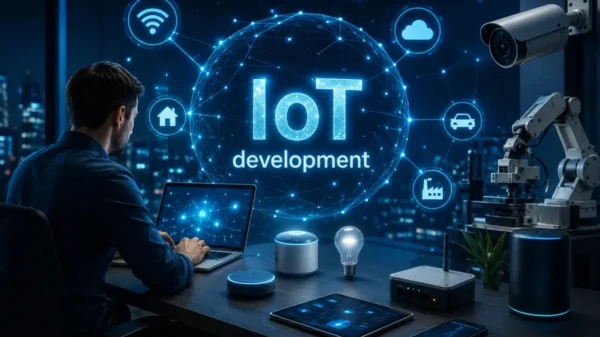
The Internet of Things (IoT) is an interconnected system of computing devices, mechanical and digital machines, objects, animals, and people that are given unique identifiers to communicate with each other over SMS or other digital networks without requiring human intervention. It can include a person wearing a cardio-respiratory device implanted in their heart or a farm animal with an RFID tag. This automobile has sensors to detect when tire pressure drops or any other natural or artificial object. IoT is changing how we interact with technology by allowing us to collect and exchange data automatically over the internet.
Importance of IOT
The Internet of Things (IoT) has quickly become an essential part of our lives. It is a system that connects and integrates physical objects, machines, and digital devices to the internet to communicate with each other and exchange data. The IoT helps us access information more quickly, making everyday tasks more accessible and efficient.
The importance of IoT lies in its ability to collect and analyze data from connected objects, enabling businesses better to understand customer needs, trends, and preferences. With the help of IoT devices and solutions, companies can quickly access real-time data to make accurate decisions. This helps in effectively managing resources, reducing costs, and increasing efficiency.
IoT also plays a significant role in improving the quality of services, as it can track and monitor customer satisfaction levels. It helps businesses store, analyze, and utilize data from online sources such as social media platforms to create better user experiences. Additionally, IoT provides an automated system that increases accuracy, efficiency, and reliability when completing tasks.
In conclusion, IoT is a powerful tool that has changed how businesses operate and interact with customers. Its ability to collect and analyze data from connected objects in real-time provides enterprises with valuable insights into customer needs and trends, which can help them make better and more accurate decisions. What’s more, IoT allows businesses to reduce costs and increase efficiency. With its ever-growing capabilities and potential, it is clear that IoT will continue to revolutionize how we do business in the future.
How does IoT work?
The Internet of Things (IoT) is a network of interconnected devices that collect and share data. These devices can be anything from robot robots to simple sensors, but all utilize the same basic process. The process can be divided into three parts: data collection, transmission, and processing.
Data Collection: IoT devices collect data using sensors ranging from simple temperature or pressure sensors to more complex instruments like robots. These sensors send the data they gather to a central collection point. For example, a fitness tracker will measure how many steps someone takes and send this information to their account on an app.
Data Transmission: For the data collected by these devices to be sent to a collection point, it needs to be transmitted using an internet connection. This is done through wired or wireless networks, such as Wi-Fi or Bluetooth. These networks help the data from the device get from one place to another.
Data Processing: Once the data has been collected and transmitted, it needs to be processed to make it worthwhile. This can be done with various technologies, such as artificial intelligence or machine learning algorithms. These algorithms interpret the data and turn it into something useful, like insights about customer behavior or predictions about future events.
By combining these three components, an IoT system can collect, transmit and process a large amount of data. This data can be used to create insights, automate processes and improve customer experiences. In short, it is the future of technological development.
The Internet of Things (IoT) has become an increasingly important part of our lives as more businesses utilize its power to make their operations more efficient and their customer experiences better. By understanding how it works, companies can ensure they take advantage of all the opportunities this technology provides.
What are the benefits of IoT for organizations?
The Internet of Things (IoT) offers many benefits for organizations. IoT enables businesses to collect, store and analyze data from connected devices in real time. This can help them make better decisions, automate processes, streamline operations, and improve customer service. IoT also makes tracking usage patterns easier so companies can identify potential problems before they occur. Additionally, IoT reduces the need for manual intervention, which can help organizations become more efficient and cost-effective. Ultimately, IoT provides businesses with a way to improve productivity, increase customer satisfaction and reduce operational costs. With its powerful capabilities, it is no wonder that many companies are taking advantage of this technology to gain a competitive edge.
IoT can also be beneficial for organizations when it comes to security. By connecting devices, businesses can have greater control over the data they collect and better monitor potential threats. This helps them protect their networks from cyberattacks and unauthorized access while ensuring they comply with data privacy regulations. Additionally, IoT can provide organizations with an extra layer of protection by enabling them to respond to security threats and take appropriate action quickly.
The Internet of Things is rapidly transforming the way businesses operate. IoT offers many benefits, from improved customer service to enhanced security, that can help organizations stay competitive in today’s ever-changing market. By taking advantage of IoT, businesses can unlock new opportunities for growth and success.
Consumer and Enterprise IoT Applications.
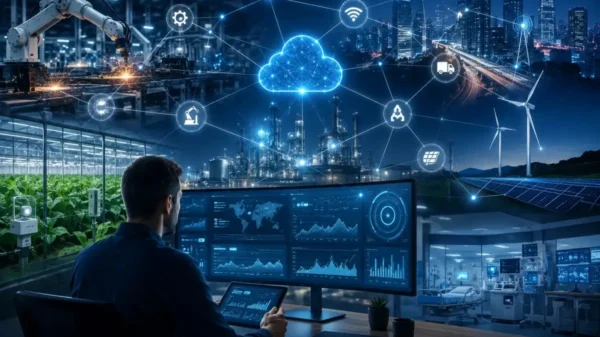
The Internet of Things (IoT) is an interconnected system of computers, sensors, and other devices that enables data to be collected from physical objects and transmitted wirelessly over the internet. It has helped a wide range of applications in consumer, enterprise, manufacturing, industrial, and Industrial IoT sectors.
IoT devices allow users to control their home environment in consumer applications remotely. Intelligent thermostats and smart appliances can be adjusted and monitored from anywhere, allowing for more efficient energy usage and improved convenience. Wearables are popular consumer IoT products that contain sensors and transmit data about the user’s activities, such as heart rate and exercise intensity. This data can be used to provide feedback and guidance tailored specifically to the user.
In enterprise applications, IoT has enabled businesses to track their products in real time as they move through the supply chain. This enables better inventory management, improved customer service, and more efficient use of resources. Additionally, IoT devices can be used to monitor machinery for any abnormalities that may indicate a need for maintenance or repair. This allows businesses to identify and address issues before they become costly problems.
IoT is used in many other industries, such as automotive, telecoms, and electricity, to provide better safety, efficiency, and convenience. It has enabled new products and services that make our lives easier and more efficient. Connecting everyday objects to the internet has opened up a world of data collection and analysis possibilities. What was once considered science fiction is now a reality.
IoT has drastically changed how we live and work, making our lives more efficient, convenient, and secure. Its potential applications are limitless, and it is continuing to evolve as new technologies are developed. The future of IoT is bright and will undoubtedly continue to shape our lives in the years ahead.
Examples of IoT devices.
The Internet of Things (IoT) is an interconnected network of devices, such as sensors, computers, mobile phones, and other electronics. IoT devices enable the capture and communication of data from physical objects to a computer system for analysis and action. Examples of IoT devices include wearables that track health metrics like heart rate and calorie intake, connected cars that can be self-driving and parking, smart home appliances like temperature and lighting control, and industrial sensors for analysis of machinery performance and patient vital signs monitoring. IoT also creates smarter cities with connected streetlights, traffic lights, and automated trash collection systems. Additionally, factory robots use IoT technology to provide more efficient and accurate production processes. Thus, IoT has many vital applications in various sectors and industries, making it essential for modern-day businesses and consumers alike.
IoT works by connecting devices to an existing network or using a wireless protocol like Wi-Fi or Bluetooth that allows them to communicate with each other effectively. Furthermore, the data gathered by these devices is transmitted to an application or system that can interpret the information and take any necessary action. As a result, IoT helps businesses make faster decisions, automate processes, and reduce costs while providing real-time data-driven insights.
Overall, IoT is a compelling technology that has already been used to create more intelligent homes and cities, improve industrial processes and increase overall business efficiency. With its many benefits, it is no surprise that businesses are investing in IoT technology to harness the power of their data.
IoT security and Vulnerabilities.
The Internet of Things (IoT) is a network of connected computing devices, such as smartphones, tablets, and other physical devices. These devices are typically embedded with sensors, software, and other technologies that enable them to interact with each other and the environment around them. While IoT technology has opened up many possibilities for automation and enhanced connectivity, it has also made these devices vulnerable to security risks. This is due to several factors, including the lack of secure authentication protocols and inadequate software updates.
IoT security is essential for businesses that use connected devices in their operations. It’s important to understand the potential vulnerabilities associated with IoT so companies can take steps to protect themselves. There are several common vulnerabilities related to IoT, such as inadequate authentication protocols, insecure software updates, and a lack of encryption. Without proper security measures, hackers can easily exploit these weaknesses to gain unauthorized access to the device or data stored on it.
In addition to protecting devices against external attacks, businesses should also consider how they store and use the data collected from IoT devices. As more companies move to cloud-based storage solutions, it’s essential to ensure that the data is encrypted and protected with robust access control measures. Companies should also consider using a multi-factor authentication system for accessing sensitive data stored in the cloud.
By understanding the risks associated with IoT, businesses can take steps to secure their devices and data, ensuring that they are protected against malicious actors. Implementing secure authentication protocols and timely software updates can help mitigate the risk of an attack. Additionally, implementing encryption on stored data and using a multi-factor authentication system can further enhance security. These precautions will help ensure businesses stay protected in the face of ever-evolving security threats.
IoT edge computing and cloud computing.
The Internet of Things (IoT) is a system of connected devices, digital machines, and physical objects that can gather data and exchange information over the internet. This technology promises to revolutionize many aspects of our lives, including healthcare, transportation, manufacturing, and retail.
One key element in making IoT feasible is edge computing. Edge computing involves distributing data processing to devices near the data source, such as sensors and cameras, instead of sending all data back to a centralized cloud. This allows for faster responses and improved security because data is processed locally before being sent further away.
Edge computing also improves reliability by removing any single-point failure. When edge computing is used, devices can continue working even when the network is down or if there is a problem with the cloud.
Cloud computing is also essential for IoT systems and provides many of the same benefits as edge computing. Cloud computing is unique because it allows for scalability to accommodate larger data sets, processing power, and storing large amounts of data.
Using edge computing with cloud computing, IoT systems can offer reliable and timely responses while providing access to powerful resources when needed. This combination of technologies allows businesses to create innovative solutions to improve customer experiences, reduce costs, and increase operational efficiency.
In summary, edge computing and cloud computing are essential for making the Internet of Things work. Edge computing improves speed and security, while cloud computing provides scalability and powerful resources. Together these technologies make it possible to create innovative solutions that can improve customer experiences, reduce costs, and increase operational efficiency.