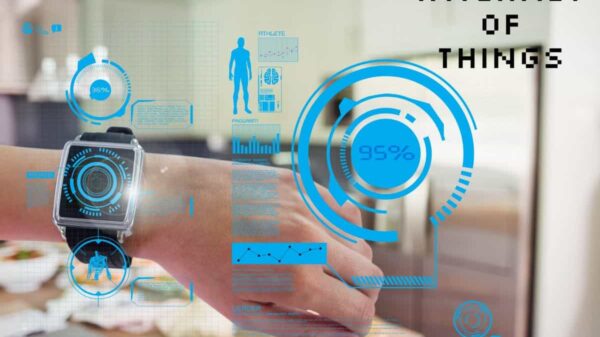
The Internet of Things (IoT) is no longer a futuristic concept—it’s here and expanding fast. From smart homes & autonomous vehicles to industrial automation and healthcare systems, billions of connected devices are shaping the modern world. But with rapid growth comes complexity.
IoT monitoring tools have become indispensable for tracking, managing, and securing this vast ecosystem. As the volume & diversity of connected devices increase, so does the need for intelligent, scalable monitoring solutions that ensure uptime, security, and performance.
What Are IoT Monitoring Tools?
IoT monitoring tools are software platforms or services that oversee IoT devices and networks’ health, performance, and security. These tools help detect anomalies, trigger alerts, automate actions, and generate analytics from device-generated data in real-time.
IoT monitoring tools are systems that track the performance, security, and connectivity of IoT devices in real-time, helping to prevent failures, detect threats, and optimize operations.
 Why IoT Monitoring Is Essential in 2025
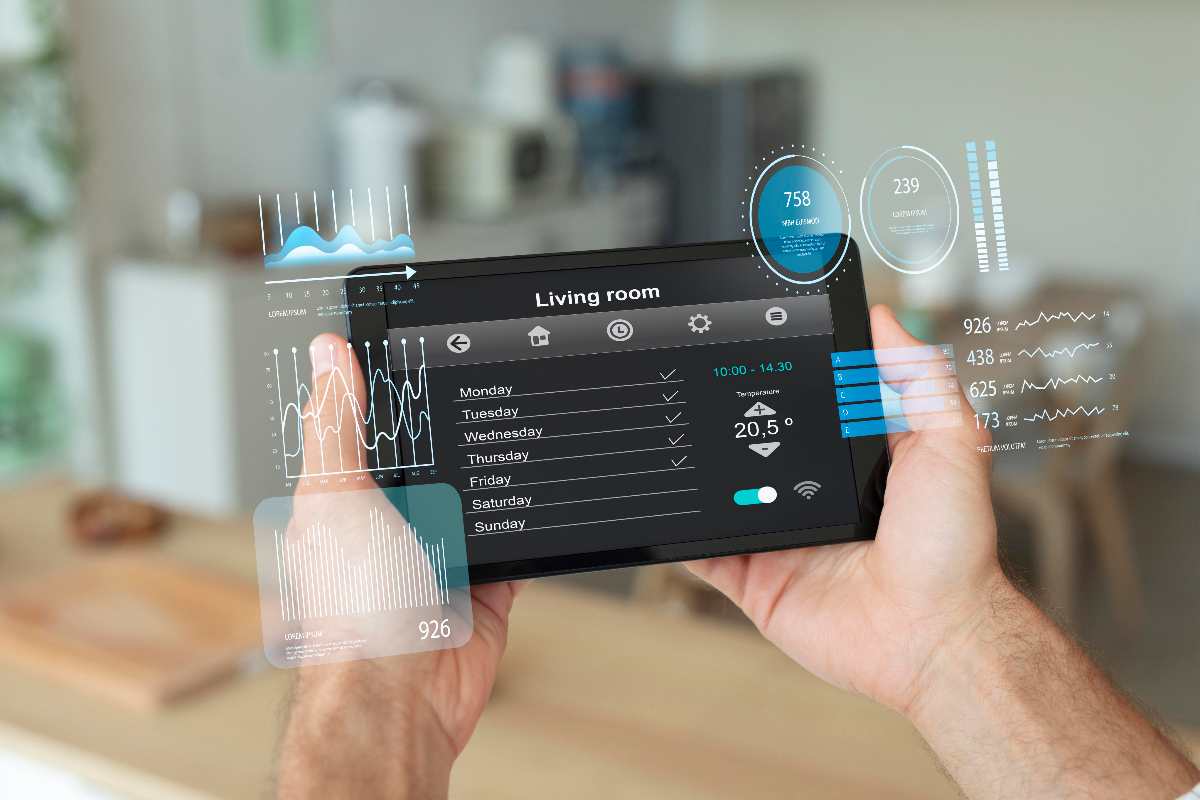 Why IoT Monitoring Is Essential in 2025
As organizations expand their use of IoT technologies, monitoring becomes mission-critical. Without real-time visibility, businesses risk:
- Data breaches from unsecured devices
- Network downtime due to overload or failures
- Missed opportunities due to lack of actionable insights
- Regulatory non-compliance with industry standards
IoT monitoring ensures that devices function as intended, alerts are raised at the right time, and data is captured securely for insights and automation.
Categories of IoT Monitoring Tools
1. Device Monitoring and Management
These tools handle the complete lifecycle of IoT devices—from provisioning to decommissioning.
- Remote configuration and troubleshooting
- Firmware updates
- Device authentication and status tracking
2. Network Monitoring Solutions
These platforms ensure consistent data flow across complex IoT environments.
- Bandwidth monitoring
- Latency detection
- Connectivity insights across hybrid networks
3. IoT Security Monitoring
With the threat landscape evolving, dedicated security tools are essential.
- Intrusion detection and prevention
- Real-time threat intelligence
- Anomaly detection using behavioural baselines
Core Features to Look For
Real-Time Analytics
Immediate visibility into data flows and device behaviour allows fast reactions to potential issues.
Customizable Alerts
Trigger notifications based on specific thresholds like unusual temperatures failed transmissions, or access attempts.
Scalability
The tool must grow with your network—whether you’re monitoring 100 or 10,000 devices.
Integration Capabilities
Support for APIs, cloud platforms, and third-party systems ensures smooth interoperability.
Data Visualization and Reporting
Clear dashboards and automated reports help stakeholders make informed decisions.
The Security Role of IoT Monitoring Tools
Security remains one of the top concerns in IoT infrastructure. Monitoring tools are a first layer of defence by:
- Constantly analyzing device behaviour for suspicious patterns
- Verifying device identities with robust access control
- Logging and auditing for regulatory compliance
- Supporting encryption and secure communication protocols
How do IoT monitoring tools improve security?
 How do IoT monitoring tools improve security?
They detect threats in real-time, prevent unauthorized access, and provide audit logs that support compliance with cybersecurity standards.
Emerging Technologies Shaping IoT Monitoring in 2025
AI & Machine Learning Integration
Advanced tools now use AI to detect subtle anomalies, predict failures, and automate threat responses.
Edge Computing
Monitoring at the edge reduces latency and enables faster, localized decisions—especially for mission-critical applications.
Blockchain-Based Monitoring
Tamper-proof audit trails and decentralized data integrity checks are increasingly adopted for secure IoT environments.
5G Connectivity
With 5G, IoT monitoring tools can support faster data transfer, more connected endpoints, and lower latency environments.
Real-World Comparison: Traditional vs Modern IoT Monitoring
| Feature | Traditional Monitoring | AI-Powered Monitoring (2025) |
|---|---|---|
| Data Analysis | Manual thresholds | Predictive analytics via AI |
| Security Coverage | Basic firewalls | Continuous behavioral monitoring |
| Alerting | Static alerts | Dynamic, context-aware alerts |
| Scalability | Limited | Cloud-native, auto-scalable |
| Maintenance & Updates | Manual patching | Automated over-the-air updates |
Solving Real Business Problems with IoT Monitoring
Across sectors like logistics, manufacturing, energy, and healthcare, real-time IoT monitoring solves key operational problems:
- Avoid Equipment Downtime: Instant alerts when machinery overheats or vibrates abnormally
- Prevent Data Loss: Edge-based backups in case of network failures
- Ensure Safety & Compliance: Monitor environmental conditions for worker or patient safety
- Improve Customer Experience: Track usage and respond proactively to performance issues in consumer devices
These capabilities drastically reduce manual monitoring and improve operational efficiency—especially for small and medium-sized businesses aiming to scale IoT operations without needing a large IT team.
Best Practices for Securing IoT with Monitoring Tools
- Enforce Device Authentication: Only allow verified devices on the network
- Implement Role-Based Access Control (RBAC): Limit access to sensitive data or configurations
- Automate Firmware Updates: Keep all devices protected against the latest vulnerabilities
- Log Everything: Maintain secure logs for every access, update, and communication
- Use Encrypted Protocols: Avoid plain-text transmissions; always encrypt IoT data streams
Frequently Asked Questions (FAQs)
What is the purpose of IoT monitoring?
To track the performance, health, and security of IoT devices and networks in real-time.
How do IoT monitoring tools work?
They collect device data, analyze it through rules or AI, and send alerts or trigger automation when abnormalities occur.
Are IoT monitoring tools necessary for small businesses?
Yes. Even small network devices can create serious risks or inefficiencies if left unmonitored.
What types of devices can be monitored?
Sensors, cameras, industrial machines, wearables, connected appliances, vehicles, and more.
What features should I look for in an IoT monitoring solution?
Real-time alerts, AI-based analytics, easy integration, security features, and scalability.