As the world rapidly urbanizes, cities face challenges like traffic congestion, pollution, energy management, and citizen safety. To address these issues, IoT Smart Cities are emerging as a revolutionary solution. By integrating Internet of Things (IoT) technologies with urban infrastructure, cities are becoming more connected, efficient, and sustainable.
From bright traffic lights that reduce congestion to AI-powered waste management systems, IoT is reshaping the way people live and interact with their environment. But how exactly does this transformation work, and what are the real-world benefits?
What Are IoT Smart Cities?
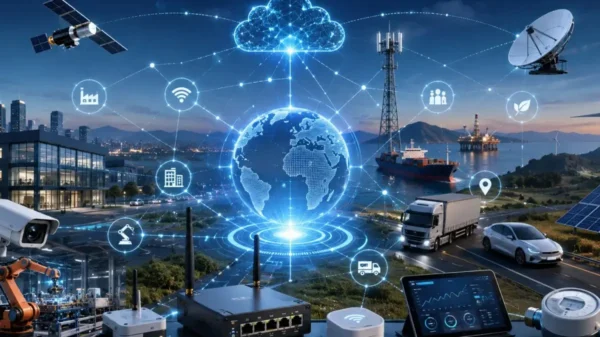
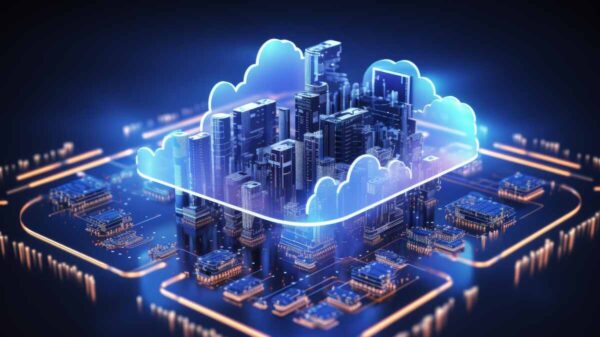
An IoT Smart City is a digitally connected urban environment where physical assets like roads, buildings, vehicles, and utilities are embedded with IoT sensors, AI systems, and data platforms. These devices communicate in real time to optimize resources, improve safety, and deliver better public services.
 Key Features of IoT Smart Cities:
 Key Features of IoT Smart Cities:
- Intelligent Infrastructure – Roads, bridges, and buildings integrated with sensors for monitoring safety and performance.
- Sustainable Energy – Smart grids and connected meters reduce energy waste.
- Connected Transportation – Real-time traffic updates, self-driving vehicle systems, and smart parking.
- Public Safety – IoT-enabled surveillance, emergency alerts, and disaster management.
- Citizen Engagement – Mobile apps and digital platforms for accessing city services instantly.
How IoT Smart Cities Work
IoT devices collect real-time data from different parts of the city. This data is then analyzed using AI and big data analytics to make intelligent decisions.
For example:
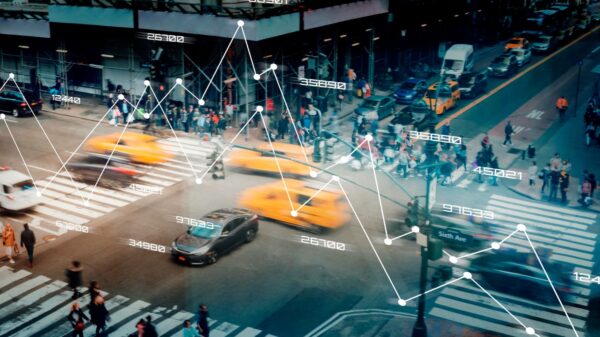
- Traffic cameras and sensors monitor congestion and automatically adjust traffic signals.
- Waste bins equipped with sensors notify when they’re full, reducing unnecessary collection trips.
- Environmental sensors measure air quality, alerting authorities to pollution spikes.
This data-driven governance allows cities to cut costs, improve the quality of life, and reduce environmental impact.
Benefits of IoT Smart Cities
1. Improved Traffic Management
IoT-based traffic monitoring systems use predictive analytics to reduce congestion, minimize travel time, and improve road safety.
2. Energy Efficiency
Smart meters, grids, and connected lighting systems optimize power usage, reducing waste and cutting costs.
3. Public Safety & Security
IoT-enabled cameras and predictive policing tools help detect suspicious activities, emergencies, and accidents in real time.
4. Environmental Sustainability
Air quality sensors, brilliant waste collection, and water monitoring improve eco-friendly practices in urban areas.
5. Enhanced Citizen Services
From competent healthcare to digital payment platforms, IoT-driven services create more convenience and accessibility for citizens.
Real-World Examples of IoT Smart Cities
- Barcelona, Spain – Uses IoT sensors for bright lighting, waste management, and parking solutions.
- Singapore – Known for its Smart Nation Initiative, featuring IoT-powered healthcare and urban planning.
- Dubai, UAE – Leveraging IoT traffic monitoring, public transport, and security surveillance.
- Amsterdam, Netherlands – Implements IoT in environmental monitoring and innovative energy solutions.
These cities highlight how IoT Smart Cities improve quality of life while lowering costs and environmental impact.
Business Perspective: Solving Pain Points with AI + IoT Tools
For businesses, IoT-powered smart city infrastructure opens new opportunities and efficiencies:
- Retailers can use IoT foot traffic data to optimize store locations.
- Logistics companies benefit from intelligent traffic systems to reduce delivery delays.
- Healthcare providers leverage IoT-enabled telemedicine and patient monitoring.
- Energy providers use smart grids to balance demand and supply efficiently.
How Automation Tools Help Businesses
AI-driven platforms allow small businesses and startups to integrate automation, chatbots, and real-time analytics into their operations. These tools help entrepreneurs reduce manual work, streamline customer support, and make data-driven decisions within the evolving framework of IoT Smart Cities.
 Smart Transportation in Singapore
 Smart Transportation in Singapore
Singapore’s intelligent transport system integrates IoT sensors, AI algorithms, and real-time traffic updates. The city has reduced congestion and improved commuting times significantly. For businesses, this means:
- Faster delivery routes for logistics.
- Reduced fuel costs.
- Improved commuter satisfaction, boosting workforce productivity.
This case study shows how IoT Smart Cities are not only beneficial to governments and citizens but also create measurable ROI for businesses.
Future of IoT Smart Cities
The future of IoT in urban environments looks promising with advancements in:
- 5G connectivity enabling ultra-fast data transmission.
- AI-powered predictive models for thoughtful city planning.
- Blockchain for secure IoT data management.
- Autonomous vehicles are seamlessly integrated with traffic systems.
As cities grow smarter, businesses and citizens alike will benefit from improved infrastructure, better resource allocation, and enhanced quality of life.
Conclusion
IoT Smart Cities represent the future of urban living—where connected technologies optimize energy, transportation, healthcare, and citizen services. With AI-driven automation and IoT-powered infrastructure, businesses and governments can unlock sustainability, efficiency, and innovation.
Frequently Asked Questions (FAQs)
What is an IoT Smart City?
An IoT Smart City uses connected devices, sensors, and AI to improve services like traffic management, energy use, public safety, and citizen engagement.
How does IoT benefit smart cities?
IoT helps smart cities by reducing energy waste, optimizing traffic, improving healthcare, enhancing safety, and enabling sustainable growth.
Which cities are leading in IoT adoption?
Top examples include Singapore, Barcelona, Dubai, and Amsterdam, which use IoT for transportation, energy, and public services.
What challenges do IoT Smart Cities face?
Key challenges include cybersecurity risks, high implementation costs, and the need for regulatory frameworks.
How can businesses benefit from IoT Smart Cities?
Businesses can leverage IoT data for better logistics, customer service automation, energy efficiency, and more intelligent decision-making.