Traffic congestion and road accidents have become major concerns. To address these issues, integrating Internet of Things (IoT) technology in traffic monitoring systems has emerged as a game-changer. By leveraging IoT devices, data analytics, and real-time connectivity, traffic monitoring systems can enhance road efficiency and safety. This article delves into the importance of IoT in traffic monitoring, highlighting its benefits, applications, and the role it plays in shaping the future of transportation.
Understanding Traffic Monitoring
Traffic monitoring is the systematic process of observing and analyzing vehicular movement on roads and highways. It involves collecting data using various technologies such as cameras, sensors, and GPS devices. The gathered information is then used to evaluate traffic patterns, congestion levels, and travel times. Transportation authorities can make informed decisions about road infrastructure, traffic signal timing, and public transportation services by monitoring traffic. This helps optimize traffic flow, reduce congestion, enhance road safety, and improve transportation efficiency. Traffic monitoring data is also valuable for planning future road developments and implementing intelligent transportation systems.
The Role of IoT in Traffic Monitoring
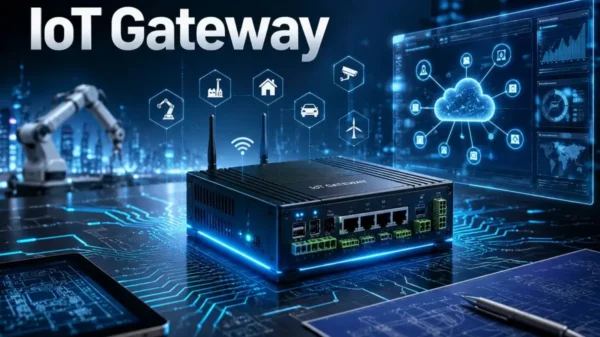
The Internet of Things (IoT) plays a crucial role in traffic monitoring by enabling the collection, analysis, and communication of real-time data from various sources. IoT devices such as cameras, sensors, and connected vehicles are deployed to gather data on traffic conditions, including vehicle counts, speed, and congestion levels. These devices transmit the data to a centralized system or the cloud, where it is processed and analyzed. The processed information can then be used to make informed decisions and proactively manage traffic effectively. IoT technology also facilitates the integration of traffic monitoring systems with other smart city applications, such as intelligent transportation systems, real-time traffic alerts, and adaptive traffic signal control. By leveraging IoT in traffic monitoring, transportation authorities can optimize traffic flow, improve safety, and enhance overall transportation efficiency.
Benefits of IoT in Traffic Monitoring
IoT in traffic monitoring contributes to improved traffic flow, real-time incident detection, and enhanced safety measures, resulting in more efficient transportation systems and safer roads for commuters.
Improved Traffic Flow
IoT in traffic monitoring enables real-time data collection and analysis, allowing authorities to monitor traffic patterns and identify congestion hotspots. With this information, they can optimize traffic signal timings, implement dynamic lane management, and suggest alternate routes to alleviate congestion. By making data-driven decisions, Internet of Things (IoT) helps improve traffic flow, reducing travel times and enhancing overall transportation efficiency.
Real-Time Incident Detection
IoT devices such as cameras and sensors can detect incidents like accidents, breakdowns, or road hazards in real time. This information is immediately relayed to the traffic management center, enabling swift response and appropriate measures to mitigate the impact of incidents. IoT helps minimize traffic disruptions and supports quicker incident clearance by detecting and addressing incidents promptly.
Enhanced Safety Measures
IoT-enabled traffic monitoring enhances safety measures on the roads. Cameras and sensors can detect speeding vehicles, unauthorized lane changes, or red light violations. This information can be used to enforce traffic rules, issue automated citations, and alert drivers about potential safety risks. Additionally, IoT devices can provide real-time weather and road condition data, helping drivers and authorities take proactive safety measures.
Applications of IoT in Traffic Monitoring
These applications of IoT in traffic monitoring demonstrate how integrating IoT devices and technologies can revolutionize transportation systems, making them more efficient, convenient, and sustainable.
Smart Traffic Signals
IoT enables the implementation of smart traffic signal systems. These systems use real-time data from sensors and cameras to adjust signal timings based on traffic conditions. By optimizing signal phasing and timing dynamically, smart traffic signals can reduce congestion, prioritize traffic flow in high-demand areas, and improve overall traffic efficiency.
Intelligent Parking Systems
IoT can be utilized in intelligent parking systems to provide real-time information about parking space availability. Sensors embedded in parking lots or street parking spots can detect whether a space is occupied or vacant. This data can be relayed to drivers through mobile applications or digital signage, helping them find available parking spaces more efficiently. Intelligent parking systems reduce the time spent searching for parking, minimize traffic congestion, and enhance the overall parking experience.
Vehicle-to-Infrastructure Communication
IoT facilitates vehicle-to-infrastructure (V2I) communication, where vehicles exchange information with roadside infrastructure such as traffic signals, toll booths, and road signs. This communication enables various applications, such as providing real-time traffic updates to drivers, optimizing traffic signal timings based on approaching vehicles, and enabling automated toll collection systems. V2I communication enhances traffic management, improves safety, and supports the development of autonomous and connected vehicle technologies.
Challenges and Considerations
Some challenges and considerations in implementing IoT in traffic monitoring include ensuring data privacy and security, managing the vast amount of data generated by IoT devices, addressing interoperability issues between different IoT systems and devices, maintaining the reliability and availability of Internet of Things (IoT) infrastructure, and addressing potential ethical concerns related to data collection and usage. Additionally, there may be challenges related to funding, infrastructure deployment, and public acceptance of IoT-based monitoring systems.
The Future of IoT in Traffic Monitoring
These advancements in the future of IoT in traffic monitoring will lead to more efficient traffic management, enhanced safety measures, reduced congestion, and improved overall transportation experiences.
The future of IoT in traffic monitoring holds several promising developments:
Increased Connectivity
With the advancement of 5G networks and other connectivity technologies, IoT devices in traffic monitoring will become even more interconnected. This will enable seamless communication and real-time data exchange between vehicles, infrastructure, and central control systems, leading to more efficient traffic management.
Advanced Analytics
IoT-generated data will be processed using advanced analytics techniques, including machine learning and artificial intelligence. This will enable more accurate traffic predictions, proactive incident detection, and optimized traffic control strategies.
Vehicle Automation Integration
IoT will be crucial in integrating traffic monitoring systems with autonomous and connected vehicles. This integration will enable vehicles to communicate with infrastructure, receive real-time traffic updates, and contribute to collective traffic intelligence, ultimately enhancing overall traffic flow and safety.
Edge Computing
The use of edge computing in IoT traffic monitoring will become more prevalent. Edge devices closer to the data source will process and analyze data locally, reducing latency and improving response times. This will allow for faster decision-making and real-time control of traffic management systems.
Integration with Smart City Initiatives
IoT traffic monitoring systems will be integrated with broader smart city initiatives. This integration will facilitate data sharing across different sectors, enabling comprehensive urban planning, intelligent transportation systems, and seamless coordination between various smart city applications.
Conclusion
IoT significantly impacts traffic monitoring, revolutionizing the way transportation systems are managed. It enables real-time data collection, analysis, and communication, improving traffic flow, real-time incident detection, and enhanced safety measures. The applications of IoT in traffic monitoring include smart traffic signals, intelligent parking systems, and vehicle-to-infrastructure communication. However, there are challenges to overcome, such as data privacy, security, interoperability, and ethical concerns. Looking ahead, the future of IoT in traffic monitoring holds great potential with increased connectivity, advanced analytics, integration with autonomous vehicles, edge computing, and integration with broader smart city initiatives. These advancements will lead to more efficient transportation systems and safer roads for commuters.