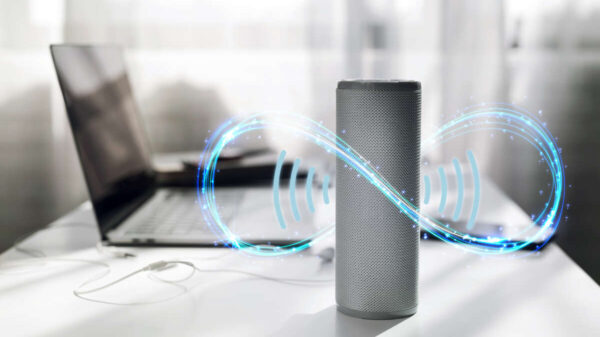
In rapidly evolving world of the Internet of Things (IoT), managing and controlling an ever-growing network of connected devices can be daunting. An IoT control panel is a powerful tool that permits users to monitor, manage, and control devices in real-time. Whether for personal use at home or in industrial operations, an IoT control panel is the centralized dashboard for all connected devices, providing a comprehensive overview of device performance, alerts, and automation.
What is an IoT Control Panel?
An IoT control panel is a dashboard that aggregates data from various connected devices and presents it in an easily digestible format. It’s also referred to as an IoT monitoring dashboard or device management platform, and it enables users to perform a range of tasks, similar as controlling devices remotely, automating processes, and receiving real-time alerts. Users can visualize data, track performance, and gain insights into device behavior through an intuitive interface while maintaining complete control over their IoT ecosystem.
Key Features and Functions of an IoT Control Panel
An effective IoT control panel offers several key features that make it indispensable for IoT management. These include:
- Real-Time Data Visualization: The IoT control panel displays up-to-date metrics, charts, and graphs that provide a real-time overview of device performance, health, and activity. This allows users to track everything from environmental conditions to operational data in one place.
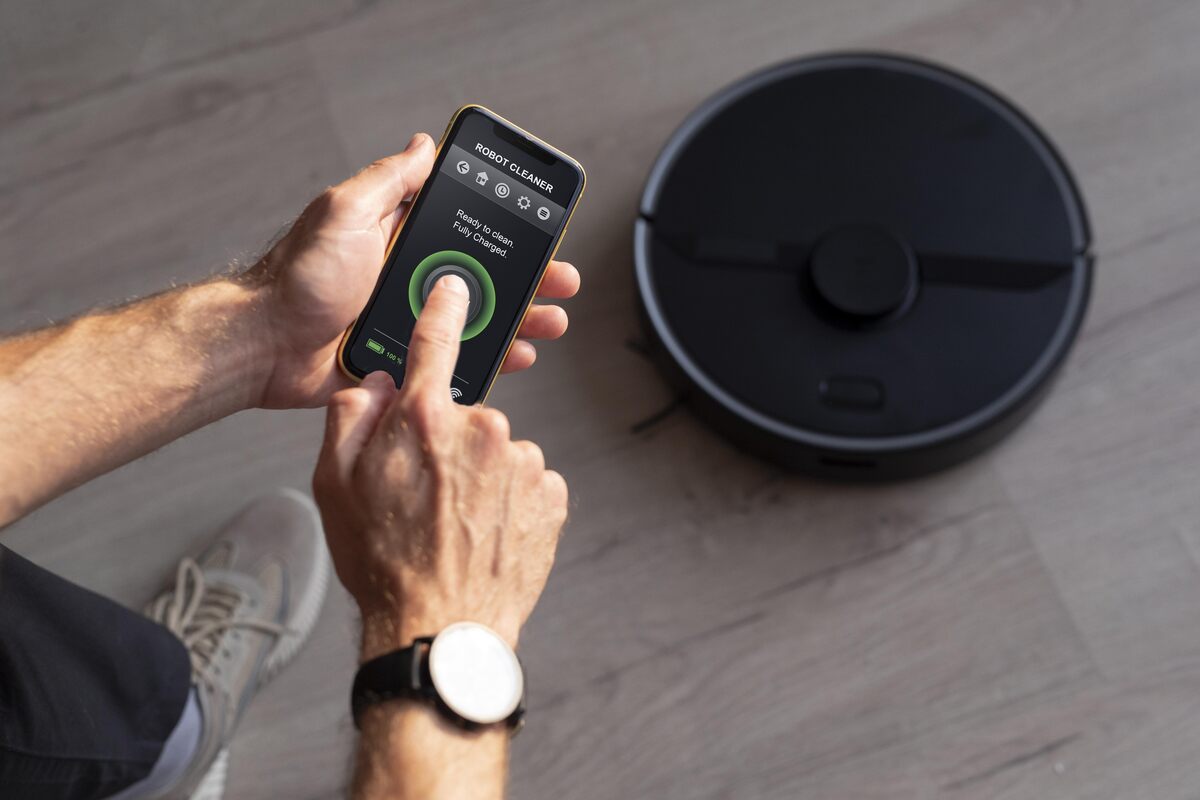
- Remote Operations: One of the most valuable aspects of an IoT control panel is its ability to control devices remotely. Whether turning on lights, adjusting temperature settings, or switching off equipment, the control panel allows you to adjust from anywhere.
- Automation: Many IoT control panels have automation features that enable event-driven responses or scheduled tasks. For example, an IoT control panel can automatically turn off devices after a certain period or trigger a sensor when predefined conditions are met.
- Alerts and Notifications: The control panel sends instant alerts when something goes wrong. Whether it’s a device failure, an environmental anomaly, or an operational hiccup, users are promptly notified to take action.
- Customizable Widgets: The dashboard is often highly customizable, allowing users to add widgets that provide specific information or controls for individual devices.
Where Is an IoT Control Panel Used?
IoT control panels have found applications across various industries, providing value in diverse ways. Some of the most common use cases include:
- Smart Home Automation: Homeowners use IoT control panels to manage their smart devices—lighting, security cameras, thermostats, and entertainment systems—from a single interface.
- Industrial Manufacturing: Facility managers use IoT control panels to monitor machinery, track energy usage, and ensure production lines run efficiently.
- Fleet Tracking: IoT dashboards help businesses track vehicle locations, monitor driver performance, and maintain vehicles to ensure optimal operation.
- Environment Monitoring: In sectors like agriculture and environmental science, an IoT control panel monitors factors such as temperature, humidity, soil conditions, and air quality.
- Healthcare: Medical facilities rely on IoT dashboards to monitor patients’ vital signs, medical devices, and other connected healthcare technologies in real-time.
- Smart Cities: Municipalities use IoT control panels to manage infrastructure, including street lighting, traffic systems, and waste management.
- eCommerce: Retailers use IoT control panels to track inventory, manage supply chains, and ensure products are delivered efficiently to consumers.
- Energy Management: IoT control panels help monitor and optimize energy usage in homes, offices, and industrial sites, improving energy efficiency and reducing costs.
How an IoT Control Panel Improves Efficiency
The IoT control panel is invaluable for increasing efficiency at home and in business operations. Here’s how it helps:
- Streamlining Operations: Bringing all devices into one interface simplifies the process of controlling and monitoring everything. This can reduce need for multiple systems or manual checks.
- Enhancing Decision-Making: With real-time data and automated processes, the IoT control panel empowers decision-makers to act quickly and efficiently, ensuring operations run smoothly.
- Proactive Issue Resolution: Alerts and notifications from the control panel enable users to address problems before they escalate, minimizing downtime & reducing the risk of failure.
The Future of IoT Control Panels
As IoT technology advances, so will the capabilities of IoT control panels. Integrating artificial intelligence (AI) and machine learning (ML) into these platforms will further enhance their ability to predict and prevent issues. Voice commands and advanced automation features will also make control panels more intuitive, allowing users to interact seamlessly with their IoT ecosystem.
Moreover, the growing adoption of 5G networks will provide faster & more reliable connections for IoT devices, making real-time control even more efficient and effective.

Conclusion
An IoT control panel is a vital tool for anyone managing a connected network of devices. It simplifies the complexities of IoT ecosystems, provides actionable insights through data visualization, and enables remote operation and automation. As industries and homes integrate more connected devices, IoT control panels will become more critical, offering users greater control, efficiency, and security.