WhatsApp has formally responded to India’s technology ministry after officials demanded answers about a new username feature the government says could fuel fraud and impersonation. The Meta-owned platform submitted its reply on July 9, 2026, following weeks of back-and-forth with the Ministry of Electronics and Information Technology (MeitY). The dispute matters because India is WhatsApp’s largest market, with hundreds of millions of users who could be affected by how this standoff ends.
What Sparked the Government’s Concern
WhatsApp announced on June 29 that users would soon be able to reserve a unique handle, similar to an Instagram username, allowing people to message each other without sharing a phone number. Two days later, MeitY sent WhatsApp a notice ordering the company to pause the rollout in India until officials were satisfied the feature was safe.
The ministry’s core worry is impersonation. Officials pointed to the risk that scammers could register usernames closely resembling those of banks, government agencies, or public figures. Independent testing found that handles mimicking the Reserve Bank of India and well-known public figures were still available to claim during WhatsApp’s early reservation window.
Read more: PS5 Pro
The Digital Arrest Scam Factor
India’s notice specifically cited so-called digital arrest scams, in which criminals pose as police officers or customs officials via video calls to extort money from victims. This type of fraud has become widespread across the country in recent years. MeitY argued that allowing strangers to initiate contact via a WhatsApp username, rather than a verified phone number, could give these scammers another tool to reach victims.
The government based its authority on India’s Information Technology Act and related intermediary guidelines. WhatsApp, as a large messaging platform, must meet due diligence obligations under these rules or risk losing certain legal protections.
How WhatsApp Has Responded So Far
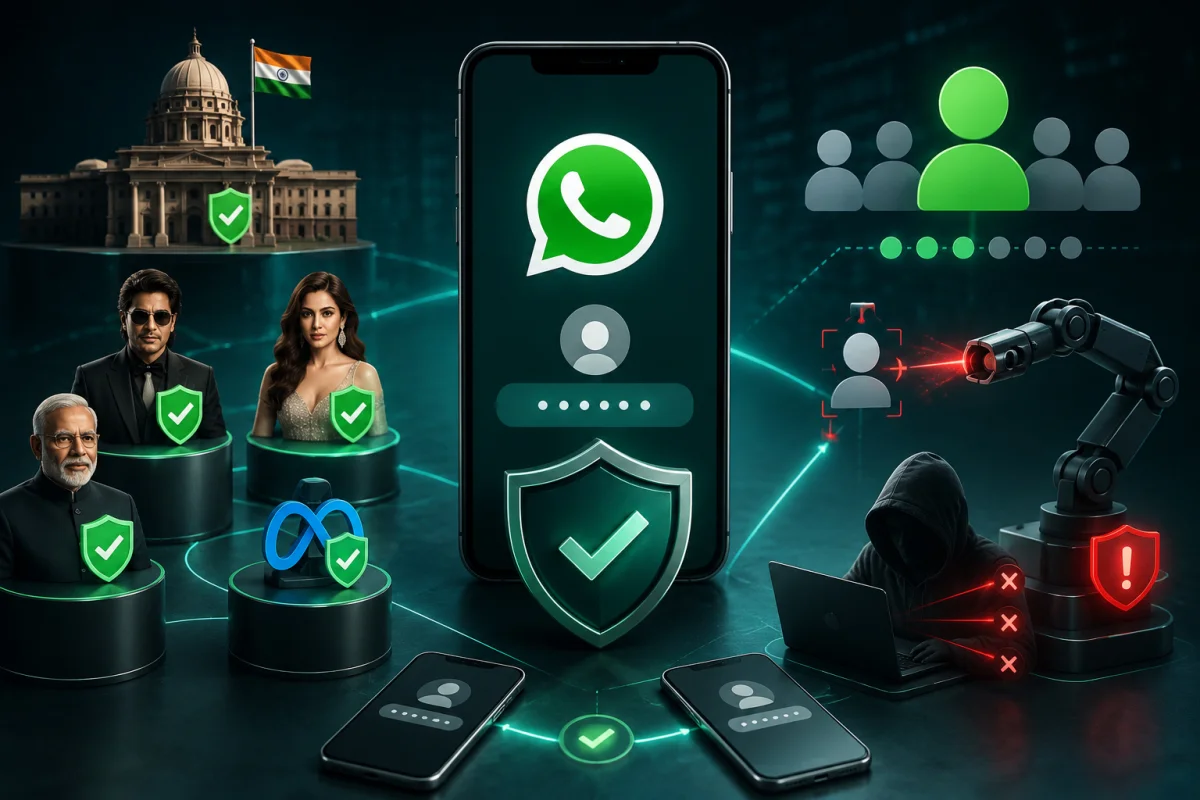
WhatsApp maintains that its username system still requires a phone number to register an account. The username sits atop that verified identity rather than replacing it entirely. Company representatives have outlined several safeguards built into the design.
- Reserved handles for public figures, government entities, celebrities, and verified Meta accounts so ordinary users cannot claim lookalike names
- Limits on how many new people an account can message using a username alone
- Automated systems to detect repeated attempts to guess or impersonate handles
- A requirement that senders know someone’s exact username before contact is possible
Despite these measures, WhatsApp agreed not to launch the username feature in India until its consultations with the ministry are complete. That commitment came after the company requested, and received, a four-day extension on its original three-day deadline.
Where Things Stand Now
MeitY confirmed it received WhatsApp’s formal response on July 9 but has not disclosed its contents. IT Secretary S Krishnan told reporters the government would review the reply before deciding on next steps. No timeline has been given for when a decision might arrive.
Telegram and Signal Drawn Into the Review
The scrutiny has expanded beyond WhatsApp. MeitY sent similar notices to Telegram and Signal on July 3, asking both platforms to explain the safeguards behind their own longstanding username features. As of this week, officials said those companies still had time remaining to respond, and their replies had not yet been received.
This broader review follows India’s earlier legal action against Telegram, which lost a court challenge after the government temporarily restricted the app over concerns that anonymous, username-based communication was being used for fraud and to coordinate illegal activity. That case appears to have shaped how MeitY is now approaching WhatsApp and Signal.
Read more: iOS 26.5
Why This Case Sets a Precedent
Digital rights groups, including the Internet Freedom Foundation, have criticized MeitY’s approach for lacking clear legal grounds to block a feature before it launches. The group argues that Indian law does not explicitly give the ministry pre-clearance power over product features, calling the notices an example of regulatory overreach.
The outcome will likely influence how messaging platforms design privacy features for the Indian market going forward. Meta’s decision to appoint CRED founder Kunal Shah as WhatsApp’s global head just a week before the username announcement signaled how central India has become to the app’s future, particularly around payments and business messaging.
For now, WhatsApp users in India can still reserve a preferred username through Settings > Account> Username in the latest version of the app, but the feature that lets people actually message through those handles remains on hold. MeitY’s review of WhatsApp’s reply is the next milestone to watch, with Telegram and Signal expected to face their own decisions once they submit their responses.