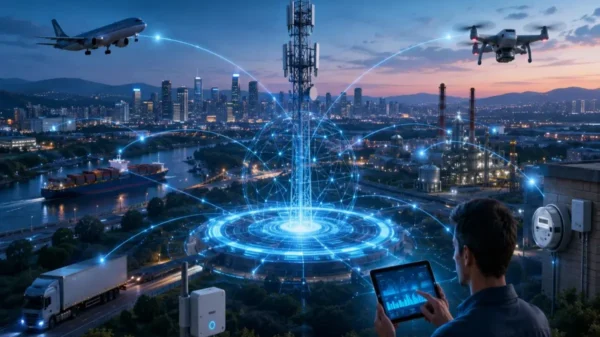
The Internet of Things (IoT) is one of the most transformative innovations of the modern technological age. This dynamic phenomenon has significantly reshaped how we interact with the world around us, blending physical devices with digital infrastructure to create more intelligent, more efficient environments. IoT software development is central to this transformation, providing the necessary architecture and intelligence to power interconnected systems.
In this comprehensive guide, we delve into the nuances of IoT software development, exploring its core principles, challenges, and the opportunities it unlocks. Whether you’re an aspiring IoT developer or tech enthusiast, this article will walk you through essentials and trends that define the IoT space.
What is IoT Software Development?
Understanding Internet of Things (IoT)
The term “Internet of Things” (IoT) indicate to vast network of physical devices that are set with sensors, software, & data-gathering capabilities, allowing them to communicate and exchange information over the Internet. IoT has become integral in enhancing efficiency, decision-making, and user experiences across various industries, from smart homes and healthcare devices to industrial automation.
Software development is crucial in IoT, as it ensures that the physical devices are not only connected but also functional, secure, and intelligent. IoT software development involves creating the necessary software for data management, communication protocols, application logic, and overall system integration.
Key Principles of IoT Software Development
Interconnectivity and Data Exchange
At its core, IoT hinges on seamless communication between devices. Software development ensures that data can be exchanged between devices in real time, creating a system of interconnected “smart” objects that work together to perform tasks autonomously. The ability to aggregate, analyze, and act on data in real time is a defining characteristic of IoT systems.
Automation and Intelligence
IoT software enables automation, allowing devices to execute tasks without human intervention. For example, smart thermostats can adjust home temperature based on the weather or user preferences, and industrial machines can self-adjust for optimal performance. IoT systems often incorporate machine learning algorithms to improve over time and make predictive decisions based on historical data.
Challenges in IoT Software Development
While the potential of IoT is immense, it also comes with its challenges. Addressing these challenges is crucial for developers to create effective, secure, and scalable IoT solutions.
Security and Privacy Concerns
With billions of devices connected to Internet, data security has become a top concern. IoT devices are often vulnerable to hacking, unauthorized access, and data breaches. Encrypting data transmission, implementing strong authentication mechanisms, and adopting robust security protocols are essential measures to mitigate these risks.
Device Interoperability
One of biggest challenges in IoT software development is make sure that devices from different manufacturers can communicate effectively. Standardization is key to achieving interoperability, and many developers rely on platforms like MQTT (Message Queuing Telemetry Transport) and CoAP (Constrained Application Protocol) to establish universal communication protocols.
Scalability
As the number of IoT devices grows, scalability becomes a significant issue. Developers must build systems that can handle large volumes of data and manage thousands or even millions of devices without compromising performance.
Selecting the Right Platform for IoT Development
Choosing the right platform for IoT software development is critical for success. Some popular development platforms include:
- Arduino: A versatile platform often used for prototyping small-scale IoT projects. Arduino offers various sensors and actuators to help developers create IoT devices.
- Raspberry Pi is a powerful, affordable computing platform for more complex IoT applications. Raspberry Pi allows developers to run full-fledged Linux-based applications and perform data processing and storage tasks.
- ESP8266: A low-cost, low-power Wi-Fi chip used in smaller IoT devices. It’s widely popular for projects that require wireless connectivity.
Cloud platforms also play a significant role in IoT development, with providers such as AWS IoT, Google Cloud IoT, and Microsoft Azure IoT offering scalable infrastructure to manage IoT data, devices, and applications.
Key Technologies for IoT Development
Programming Languages for IoT
Choice of programming language depends on complexity of the project and the target devices. Some commonly used languages include:
- C/C++: Known for its efficiency and control over hardware, C/C++ is commonly used in low-level development for IoT devices.
- Python: A versatile and easy-to-learn language, Python is popular for prototyping and building higher-level IoT applications.
- Java/JavaScript: Ideal for building cross-platform applications and enabling web-based IoT systems.
Connectivity Solutions
Connectivity is the backbone of IoT systems, allowing devices to communicate with each other. Some popular connectivity options include:
- Wi-Fi: Widely used for short-range communication in home and office environments.
- Bluetooth: Ideal for low-power, short-range communication.
- Zigbee: A low-power wireless mesh networking protocol commonly used in smart home devices.
- LoRaWAN: A long-range, low-power solution for IoT applications that require connectivity over vast distances.
The Role of Data and Analytics in IoT
IoT devices generate amounts of data, & managing this data efficiently is one of the most critical tasks for developers. Cloud storage solutions, real-time data processing, and powerful analytics platforms are required to extract actionable insights from this data. With help of machine learning, IoT systems can make predictive decisions and optimize processes in industries such as healthcare, agriculture, and manufacturing.
Data Visualization is another important aspect of IoT applications. Developers help users make informed decisions about system performance, trends, and anomalies by transforming raw data into clear visual insights.
Security Measures in IoT Software Development
Securing IoT systems requires a multi-layered approach. Developers must implement end-to-end encryption, secure device authentication, regular software updates to protect against threats. Moreover, as IoT devices often collect sensitive data, adhering to privacy regulations like GDPR and CCPA is crucial for maintaining user trust.
The Synergy Between AI and IoT
Artificial Intelligence (AI) and machine learning transform IoT systems. AI algorithms analyze IoT-generated data to enable predictive maintenance, anomaly detection, and personalized experiences. By integrating AI into IoT software, developers can create intelligent systems capable of learning & adapting in real-time.
Conclusion
The future of IoT software development is filled with opportunities and challenges. As technology advances, developers must focus on ensuring IoT systems’ scalability, security, and interoperability. Integrating AI, machine learning, edge computing, and blockchain technology will keeps up to drive innovation in the IoT space, creating more intelligent, more connected devices that revolutionize industries and everyday life.
IoT has the potential to transform how we interact with technology, from how we manage our homes to how we optimize industrial processes. As an aspiring IoT developer, now is the perfect time to delve into the world of IoT software development and join this exciting, rapidly evolving field.